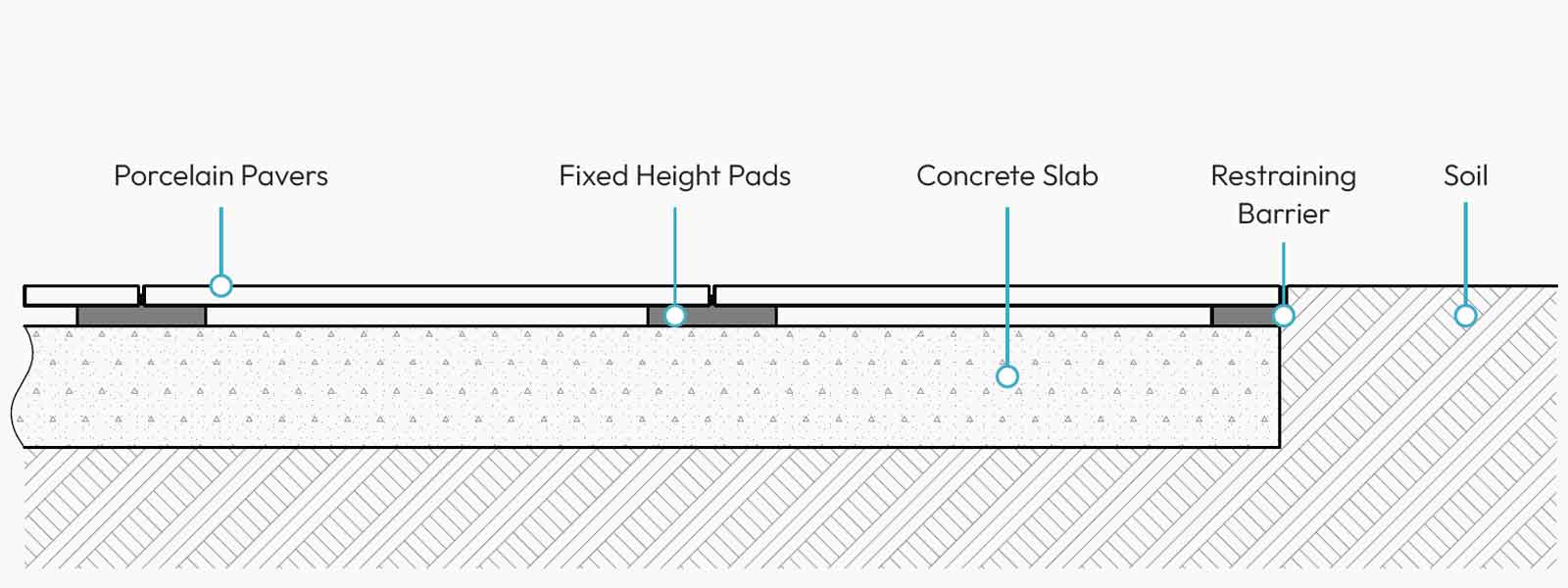
In applications where Archatrak porcelain cobblestone pavers will be subject to light vehicular traffic such as driveways and parking areas, they should normally be mortar set over a reinforced concrete base and grouted. Although these 8″ x 8″ and 8″ x 12″ pavers are strong enough to support vehicular traffic, because of their relatively small size and 3/4″ thickness, some instability or movement might be noticed if they are laid directly on a sand/gravel base.
The mortar set installation method is described on our Porcelain Paver Over Thinset installation page.
For other applications, our cobblestone pavers can be laid on a well compacted sand/gravel base as outlined below.
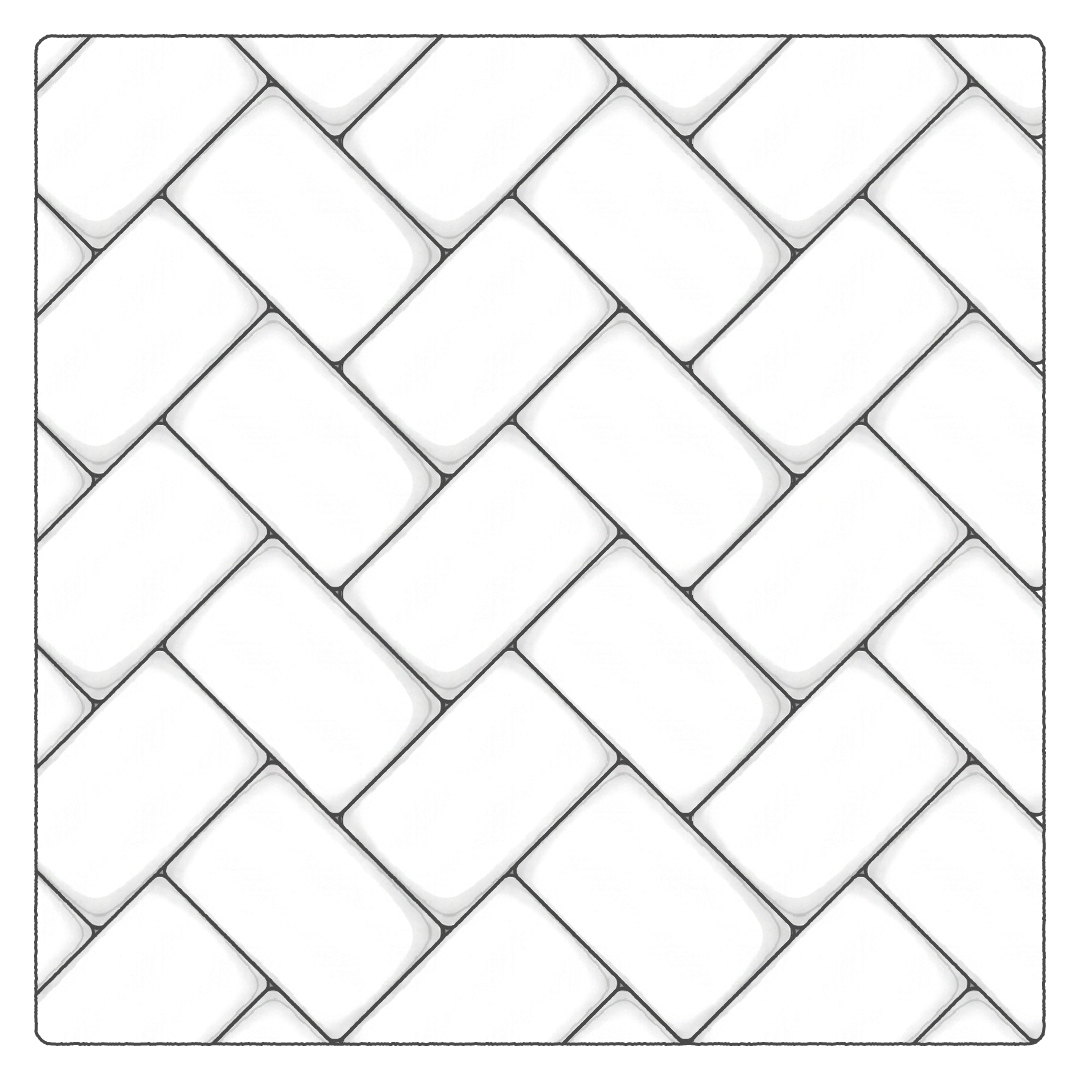
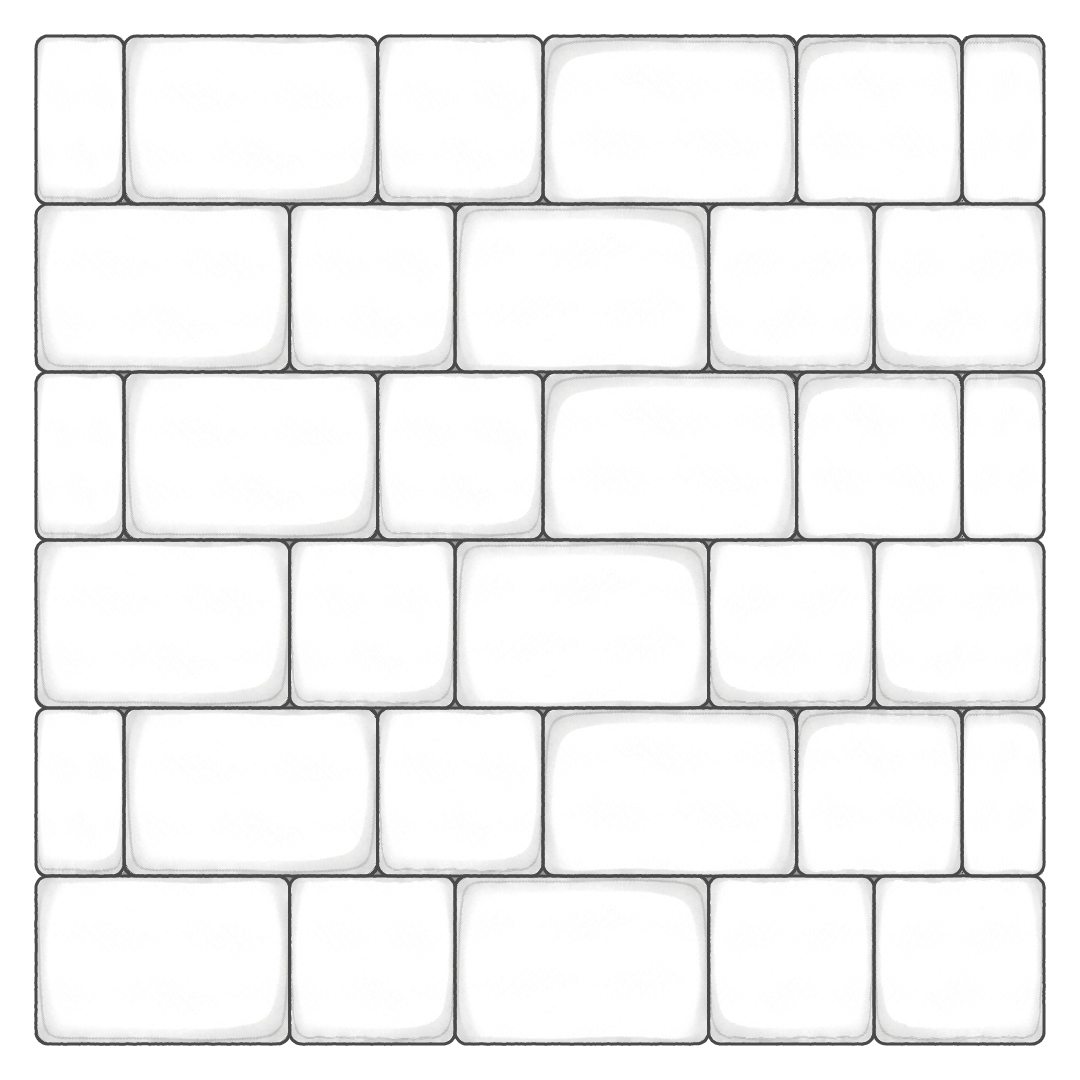
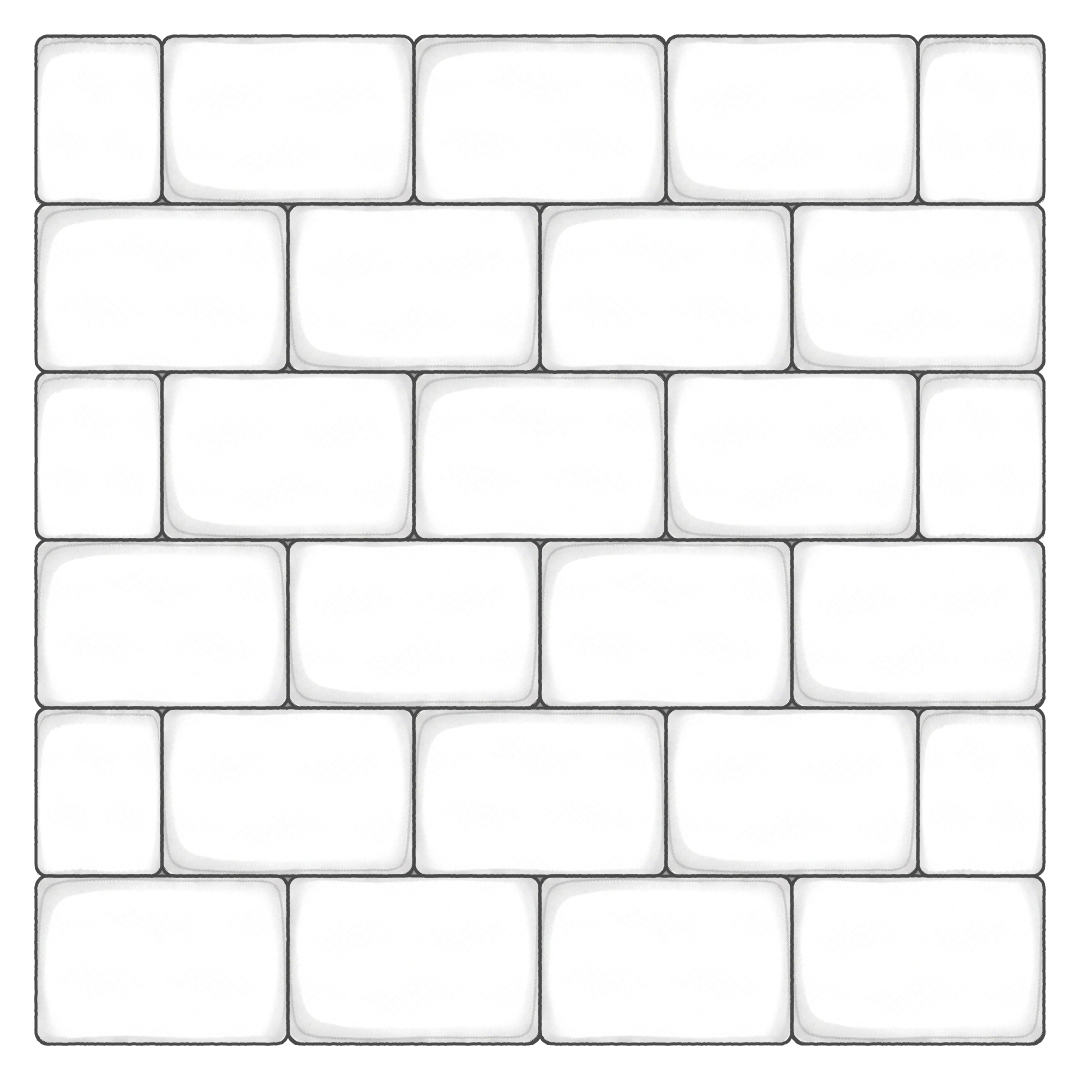
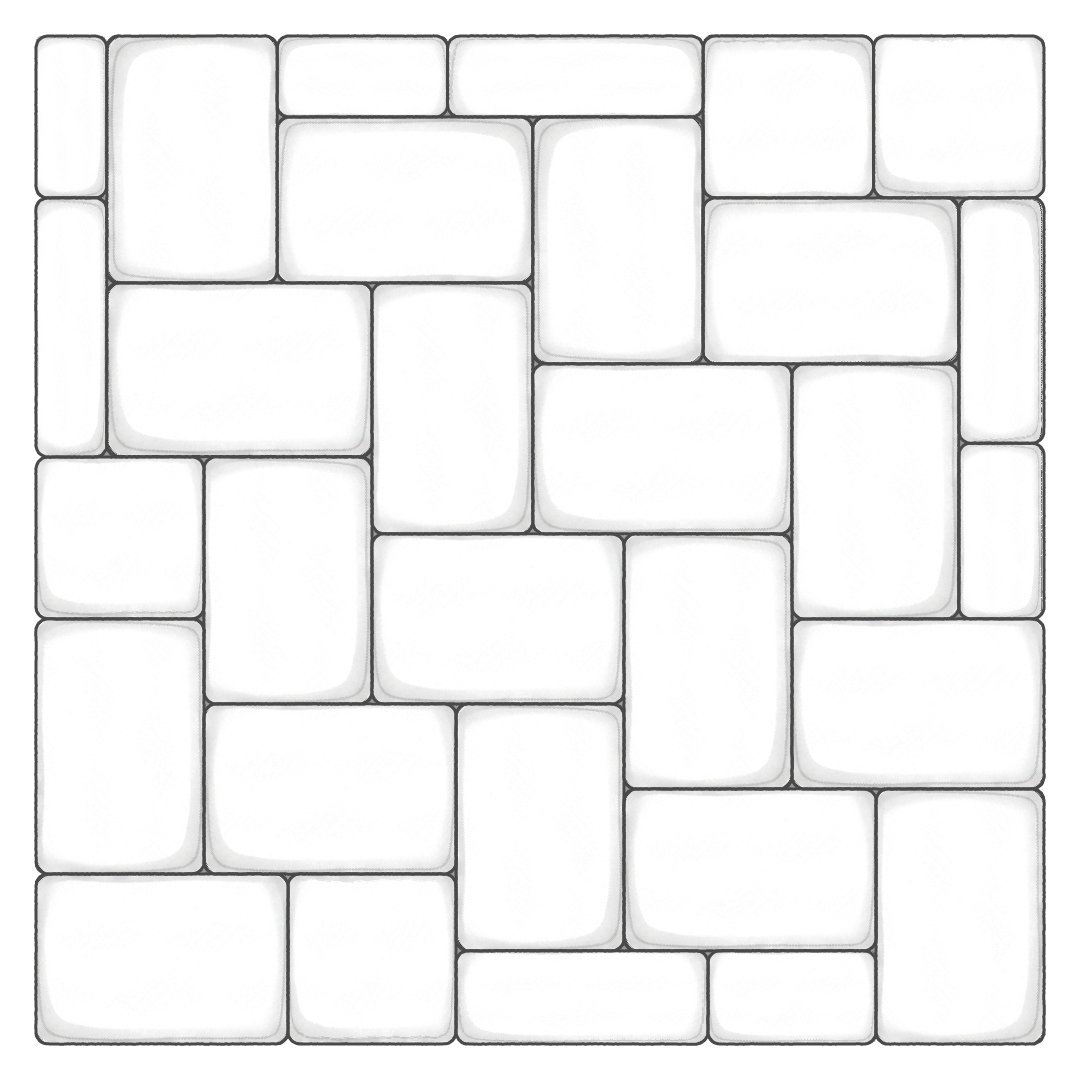
Porcelain Cobblestone Laying Pattern Ideas
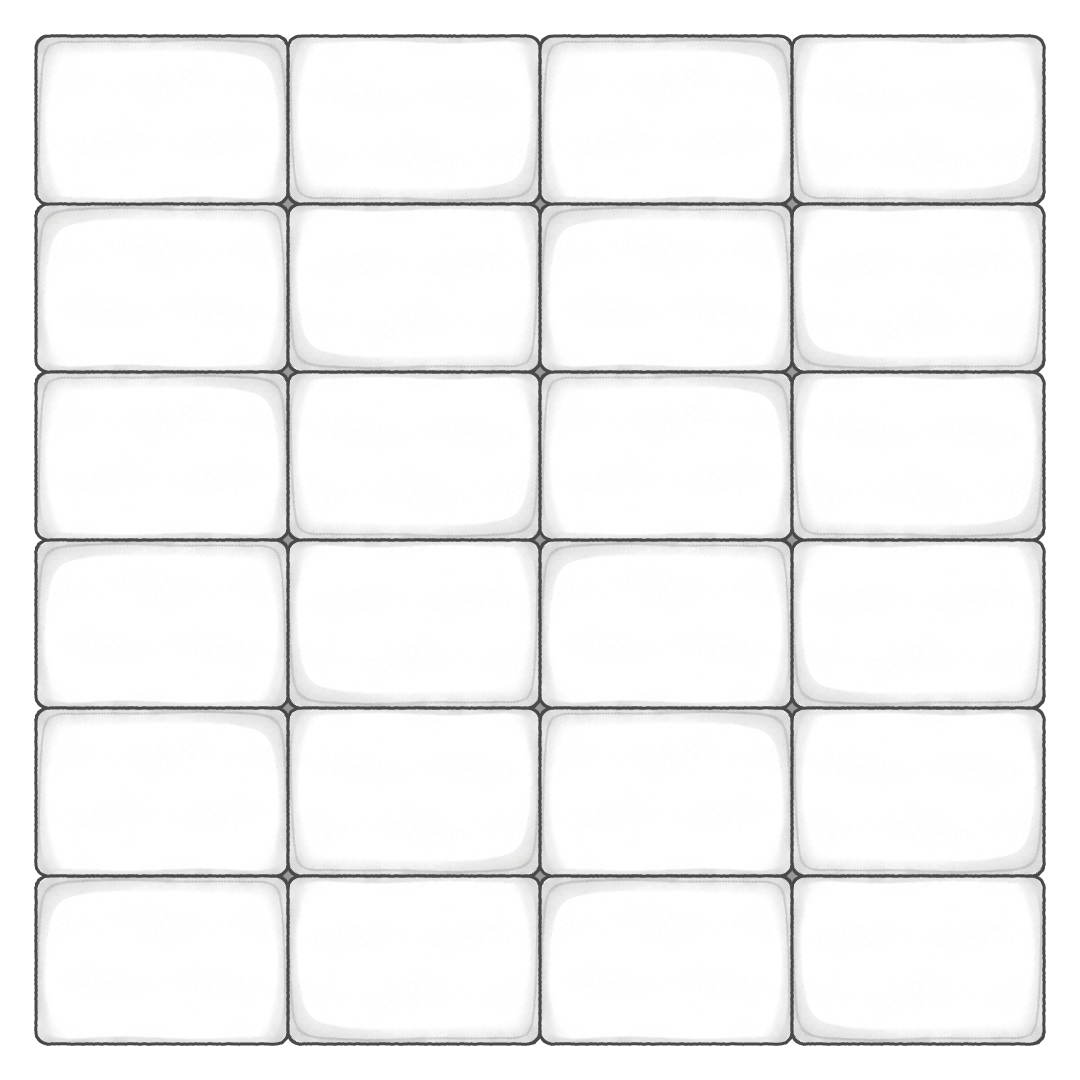
Cobblestone pavers can be arranged in a variety of patterns to achieve different visual effects, from traditional layouts to more contemporary designs. By mixing sizes and orientations, it’s possible to create subtle variation, directional movement, or a more structured grid depending on the space.
-
Stacked
-
Herringbone
-
Ashlar
-
Running Bond
-
Basketweave
1
Step One
Remove any grass or organic matter down to root level. Use a plate compactor to compact the ground, then level with a screed board.
2
Step Two
Lay a strong geosynthetic stabilization fabric over the area to act as a sub-base between the ground and the panels.
3
Step Three
Fill the area with sand to a thickness of between ¾” and 2” and compact with a vibro compactor.
4
Step 4
Lay a lightweight geotextile fabric over the sand to prevent sand wash through.
5
Step Five
Install a plastic or aluminum paver edge around the perimeter and secure with spikes.
6
Step Six
Carefully tap the pavers with a rubber mallet to ensure they are bedded properly.
7
Step Seven
Fill the gaps between the pavers with sand.
Last Update