



Create visually stimulating, elegant and sophisticated spaces with Archatrak porcelain pavers – colors rich in depth and detail with vibrant solid hues, luminous accents, delicate tonal gradients, and diverse textural elements, unmatched by any other paving material.
Exceptionally stain, scratch, slip, and fade resistant, porcelain pavers offer an elegant, low maintenance paving and decking option for any commercial and residential application, both on-grade and at rooftop level.
Benefits of Porcelain Pavers

Exceptional Technical Properties
Highly resistant to staining, fading, scratching, scuffing and frost.

Unmatched Range of Colors
Faithful reproductions of natural stone, wood, cement and even metal.

Lightweight
Much easier to transport, raise onto rooftops and install than concrete pavers.

Multitude of Sizes
From 4” x 4” blocks to 48″ x 96″ slabs and thickness from 2cm to 6cm
-
Product Details
2cm Porcelain Pavers
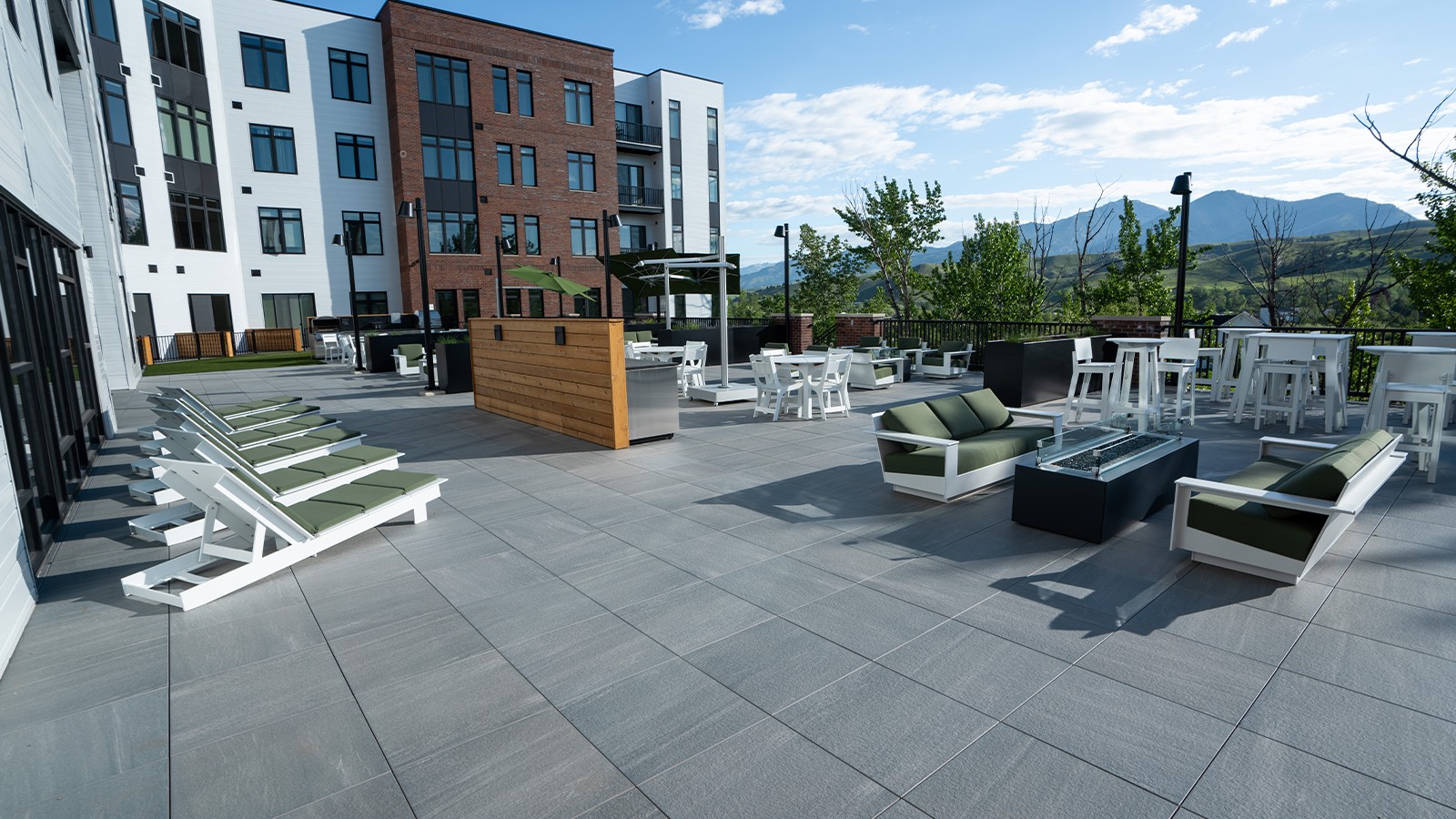
Lightweight 2cm (3/4″) thick outdoor porcelain pavers for elegant rooftop decks, balconies, and refined on-grade paved surfaces.
-
 Product Details
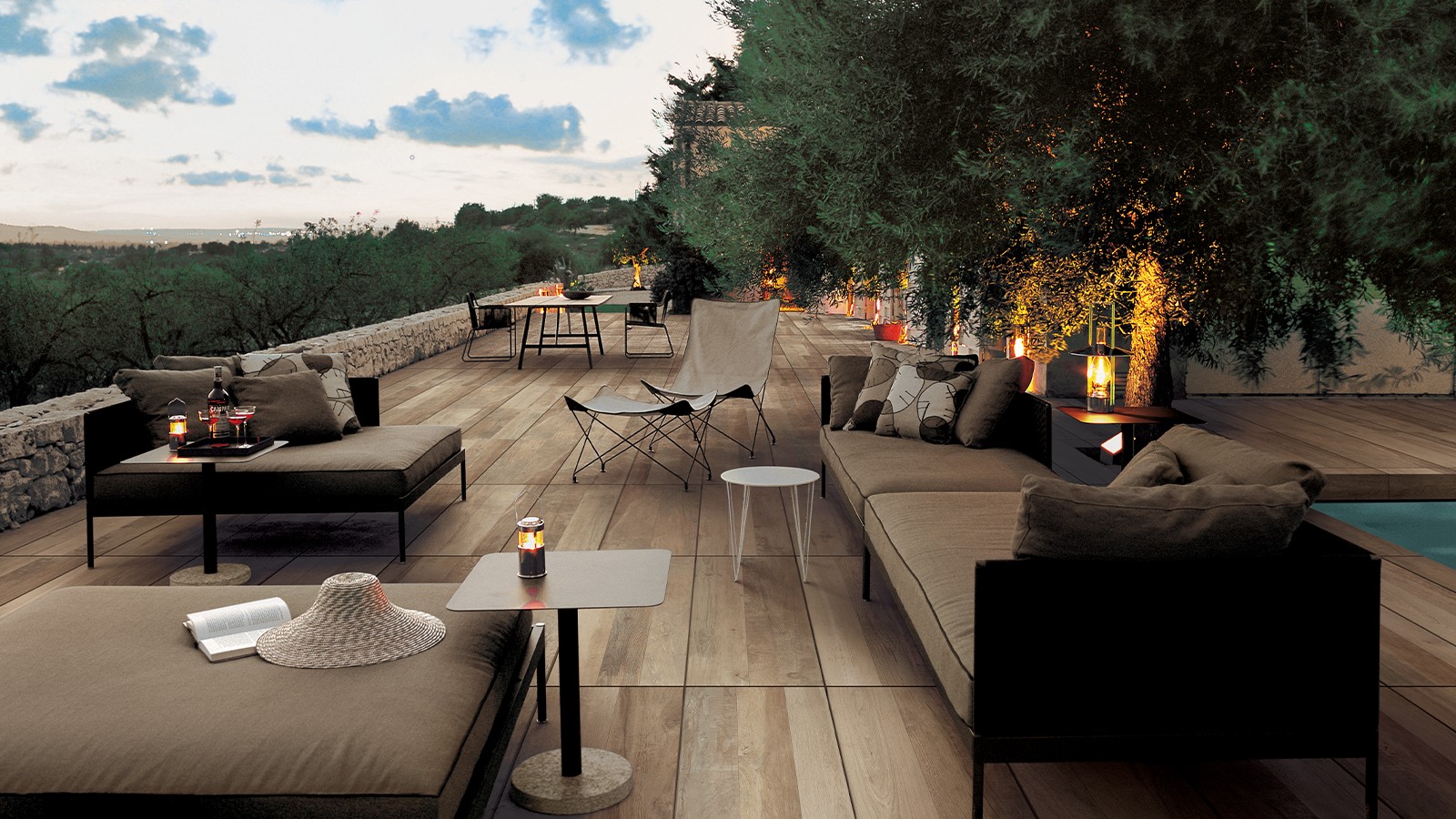
Porcelain Planks
Narrow width porcelain deck planks with the authentic look of real wood – but harder, more durable, fire resistant, stain resistant, fade resistant and lower maintenance.
-
Product Details
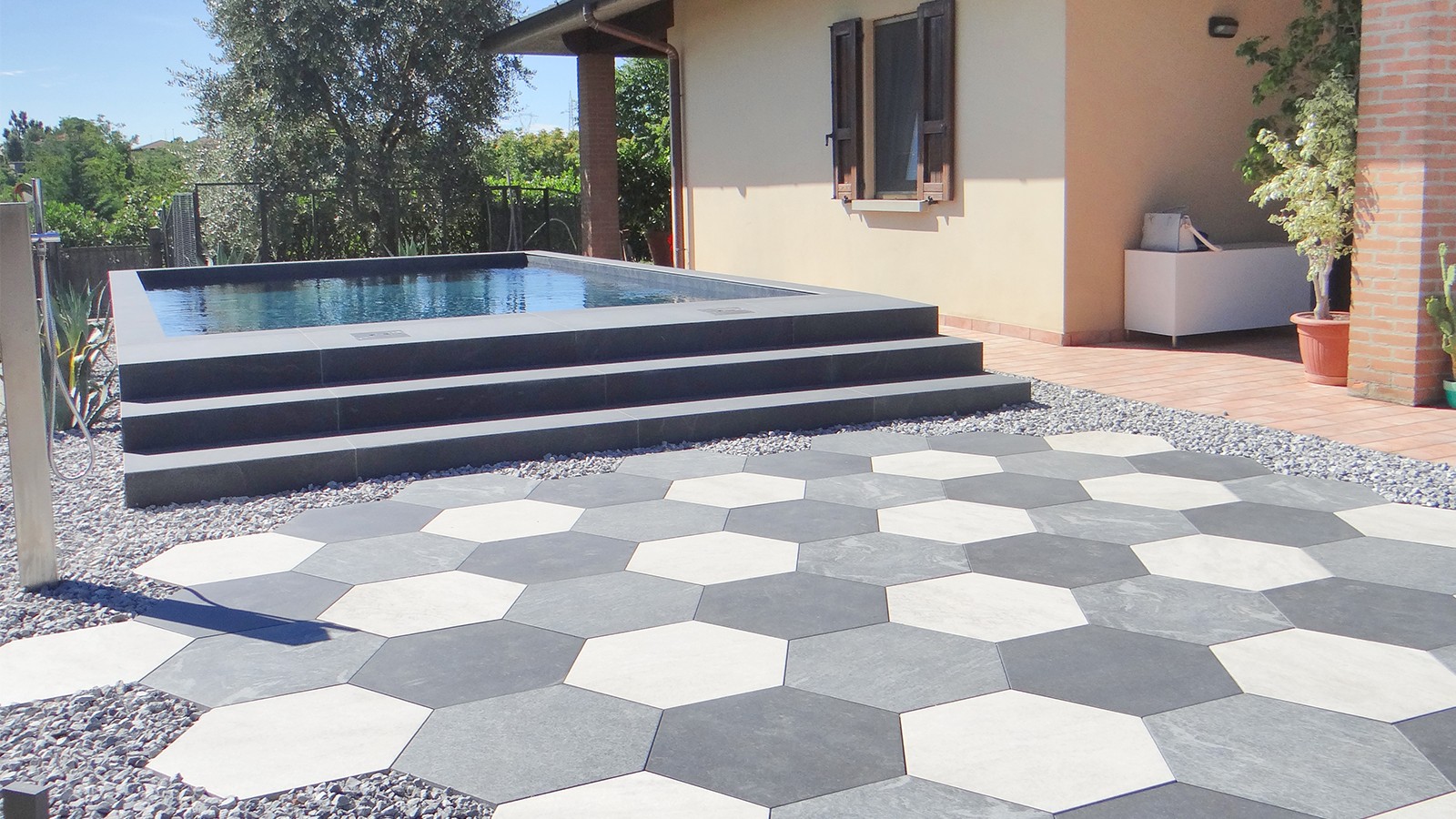
Hexagonal Porcelain Pavers
Move beyond straight lines and right angles. Hexagonal formats open up more creative layout possibilities.
-
Product Details
3cm Porcelain Pavers
Heavy duty 3cm (1 ¼”) porcelain pavers combine strength, performance, and aesthics for stunning, high-traffic spaces.
-
Product Details
5cm Porcelain Pavers
Engineered for vehicular traffic and high-load performance.
-
Product Details
Porcelain Cobblestone Pavers & Blocks
Timeless, rustic character with precision-formed consistency. Porcelain cobbles deliver authentic style with exact dimensions.
Compare
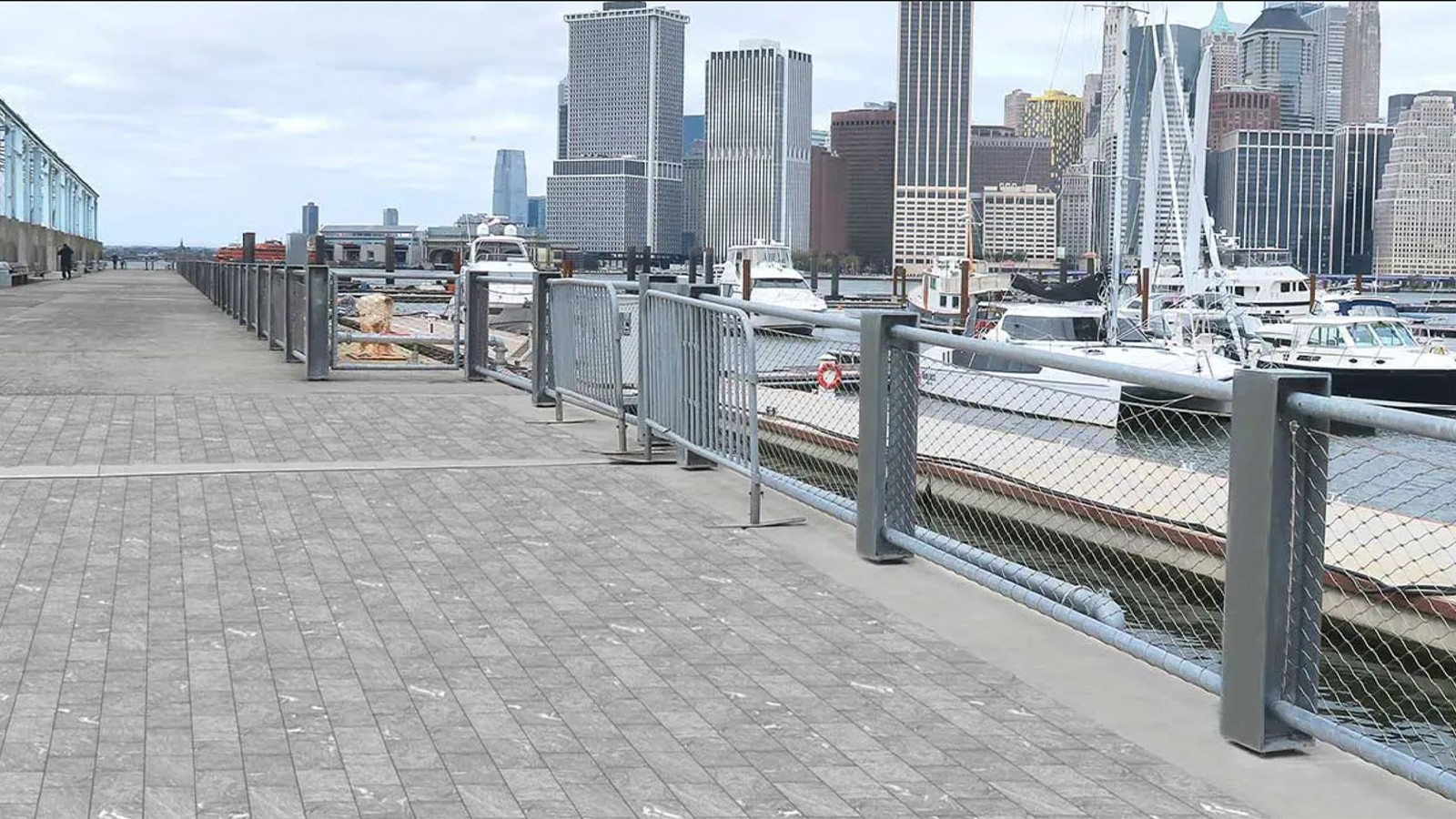
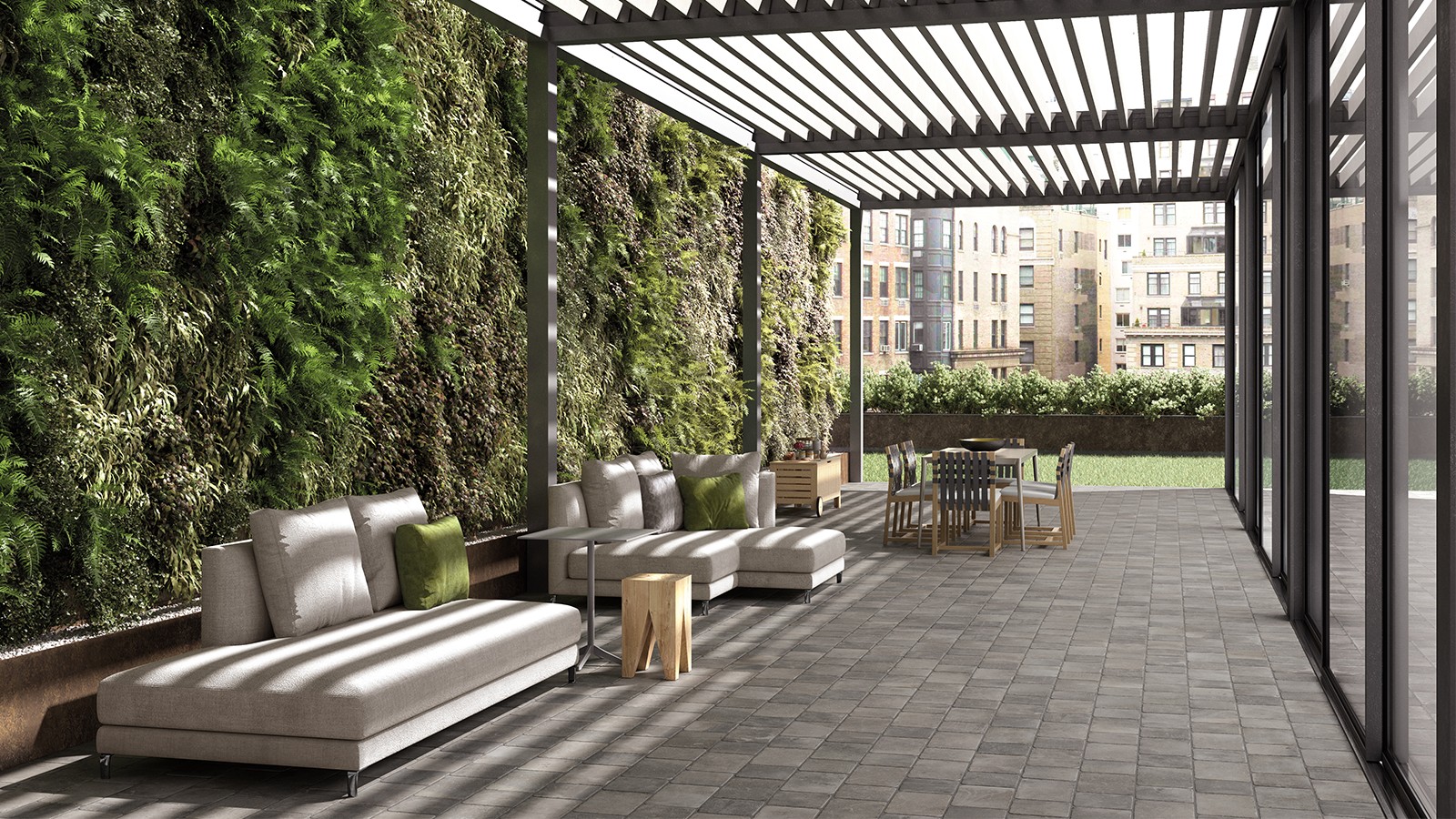
How do Archatrak Porcelain Pavers Compare with other Paving Materials
Concrete Pavers vs Porcelain Pavers
Concrete pavers have a much higher porosity so they are not stain resistant and can suffer from freeze/thaw cracking.
They are more likely to experience moss and mold growth with a greater difficulty to remove. They are less scratch and scuff resistant and much heavier. Reproduction of stone and wood colors is generally quite basic. Porcelain pavers on the other hand are more brittle and thus more prone to chipping.
Natural Stone vs Porcelain Pavers
The properties of natural stone vary widely depending on the type of stone and the source, but natural stone has a more porous surface than porcelain.
This can give problems in freeze thaw cracking and attracts dust and dirt as well as moss and mildew more readily. Natural weaknesses in the structure of most stone types does not lend it for use in pedestal-supported applications unless at very high thicknesses.
Terracotta vs Porcelain Pavers
Terracotta is fired at a lower temperature than porcelain so terracotta pavers have a higher water absorption and thus lower resistance to staining.
Ceramic Tiles vs Porcelain Pavers
Ceramic tiles are thinner than porcelain pavers and fired at a lower temperature, so they’re restricted to indoor use. They can’t be used with pedestals.
Wood vs Porcelain Pavers
Wood planks can suffer from twisting, cracking and decay over time.
They absorb moisture, are not stain resistant or mold and moss resistant and except for very dense and hard wood species, can suffer from scuffing and scratching. Wood is not fire resistant although some very hard wood species like Ipe can achieve Class A or B fire rating. Wood is also lighter than porcelain pavers but with a lower breaking load.
Compare Pavers
View the suitable applications for the different paver types.
2cm Pavers
3cm Pavers
5cm Pavers
Cobblestone Pavers
Elevated on Pedestals
Elevated on Rubber Pads
Elevated on Pedestal Supported Rails
Set on Sand/Gravel Beds
Set in Mortar
Driveways
Set in Mortar Only
Light Vehicular use
Moderate Vehicular use
Set in Mortar Only
Your Partner from Design Through Installation

Request a Quote
Fast quotes and estimates

Order Samples
Compare colors and styles

Contact Us
Contact one of our paver system experts