



Porcelain paving systems offer landscape architects and contractors exceptional flexibility in creating durable, refined outdoor surfaces for commercial and residential environments
Archatrak on-grade paving systems highlight the technical and aesthetic advantages of outdoor porcelain pavers, especially compared to heavier and less attractive concrete options. With more than 100 colors and styles available, these versatile pavers give landscape designers and contractors flexibility across sizes, thicknesses, colors, and finishes, allowing solutions to be tailored to specific site conditions.
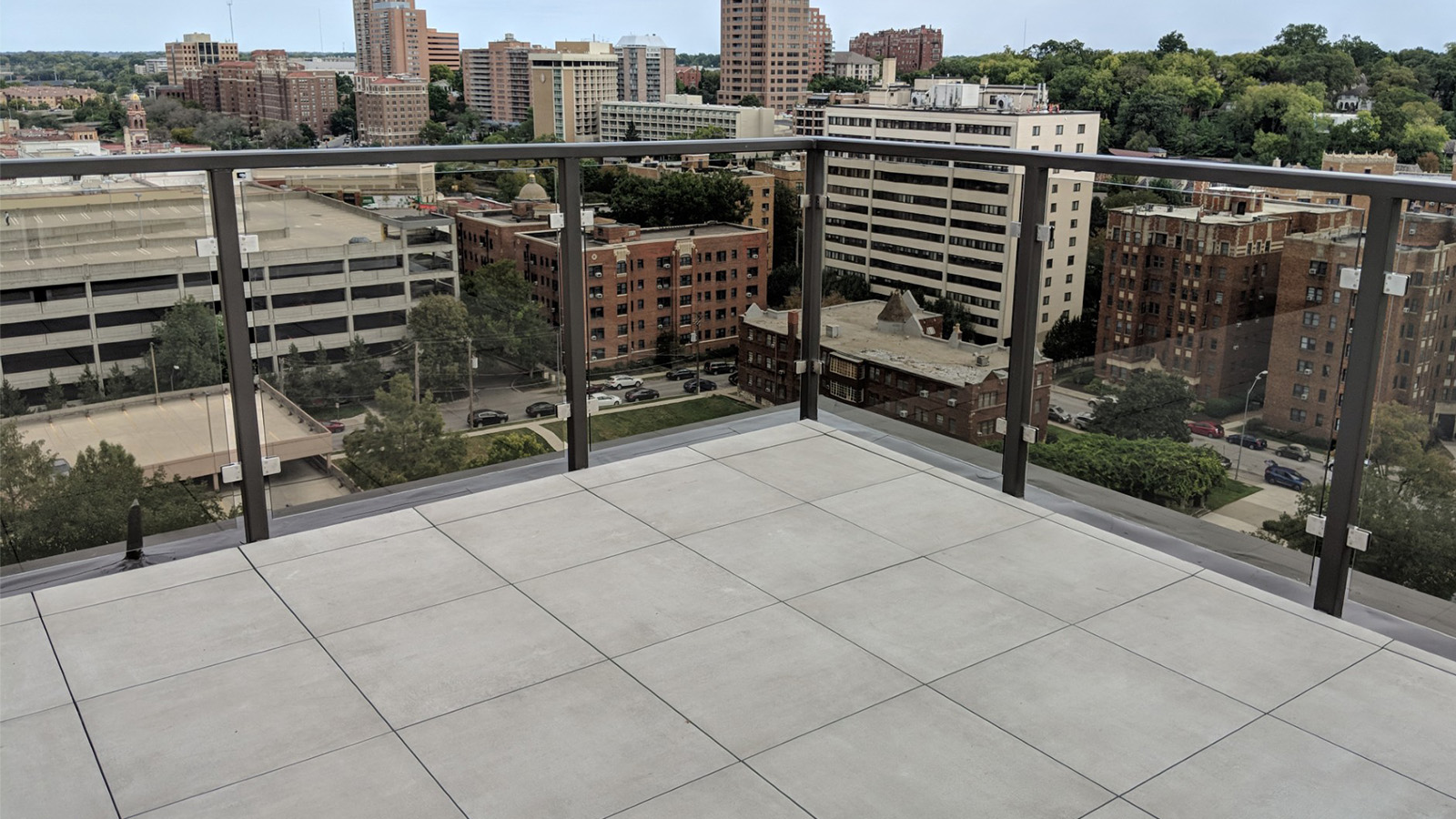
Resistant to frost, staining, fading, and scratching, porcelain pavers perform exceptionally well in a wide range of demanding pedestrian-focused applications, including pathways, plazas, patios, and driveways.
Benefits of On-Grade Porcelain Paving Systems
Porcelain pavers are a durable, hard-wearing option with aesthetic and performance advantages over many conventional hardscape materials.

Range of Styles and Sizes
A broad selection of paver sizes, shapes, finishes, and colors allows for design creativity, simple or complex patterning, and overall project flexibility.

Adaptable to Site Conditions
Systems accommodate grading, drainage requirements, and varying base conditions common to landscape, patio, and plaza installations.

Low Maintenance
Resistant to frost, staining, and fading, porcelain paver systems help reduce ongoing maintenance demands in high-use outdoor spaces.
Dimensional Consistency and Finish Quality
Porcelain pavers are perfectly rectified with unmatched surface quality, supporting clean layouts, tight joints, and predictable finished results across paved areas.
Our On-Grade Systems
-
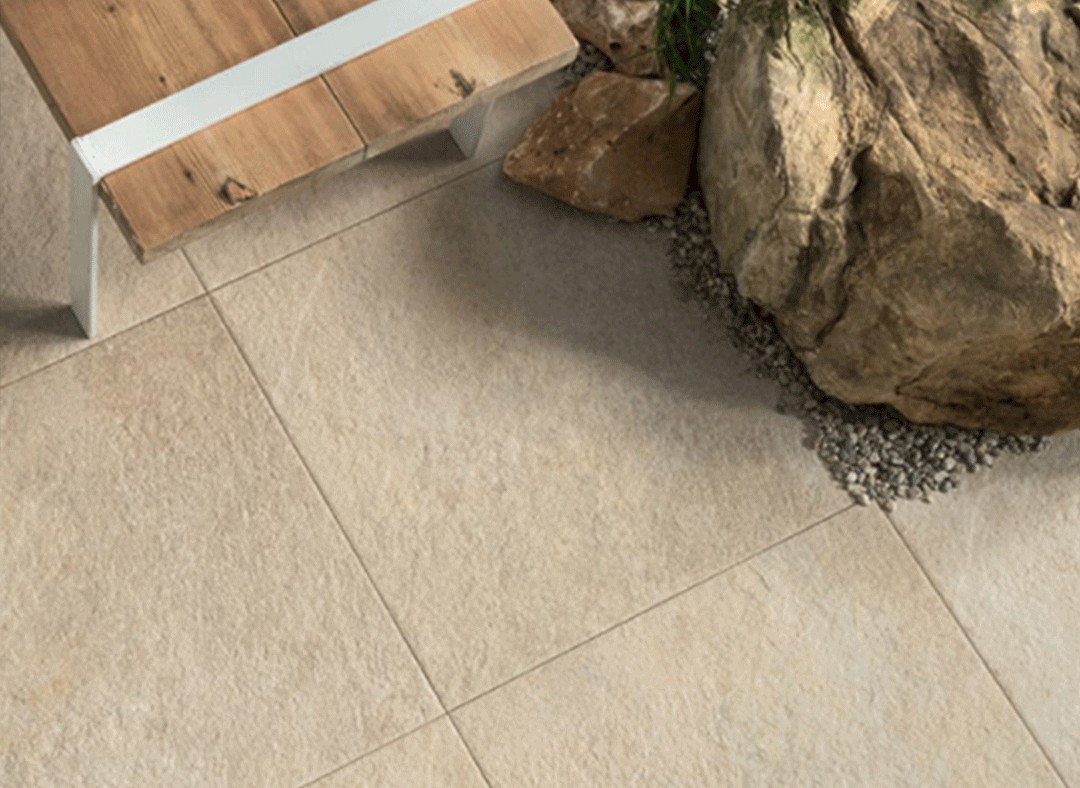
Resurfacing Patios
Patio paver resurfacing offers a practical solution for renewing on-grade aging concrete patios without full demolition.
-
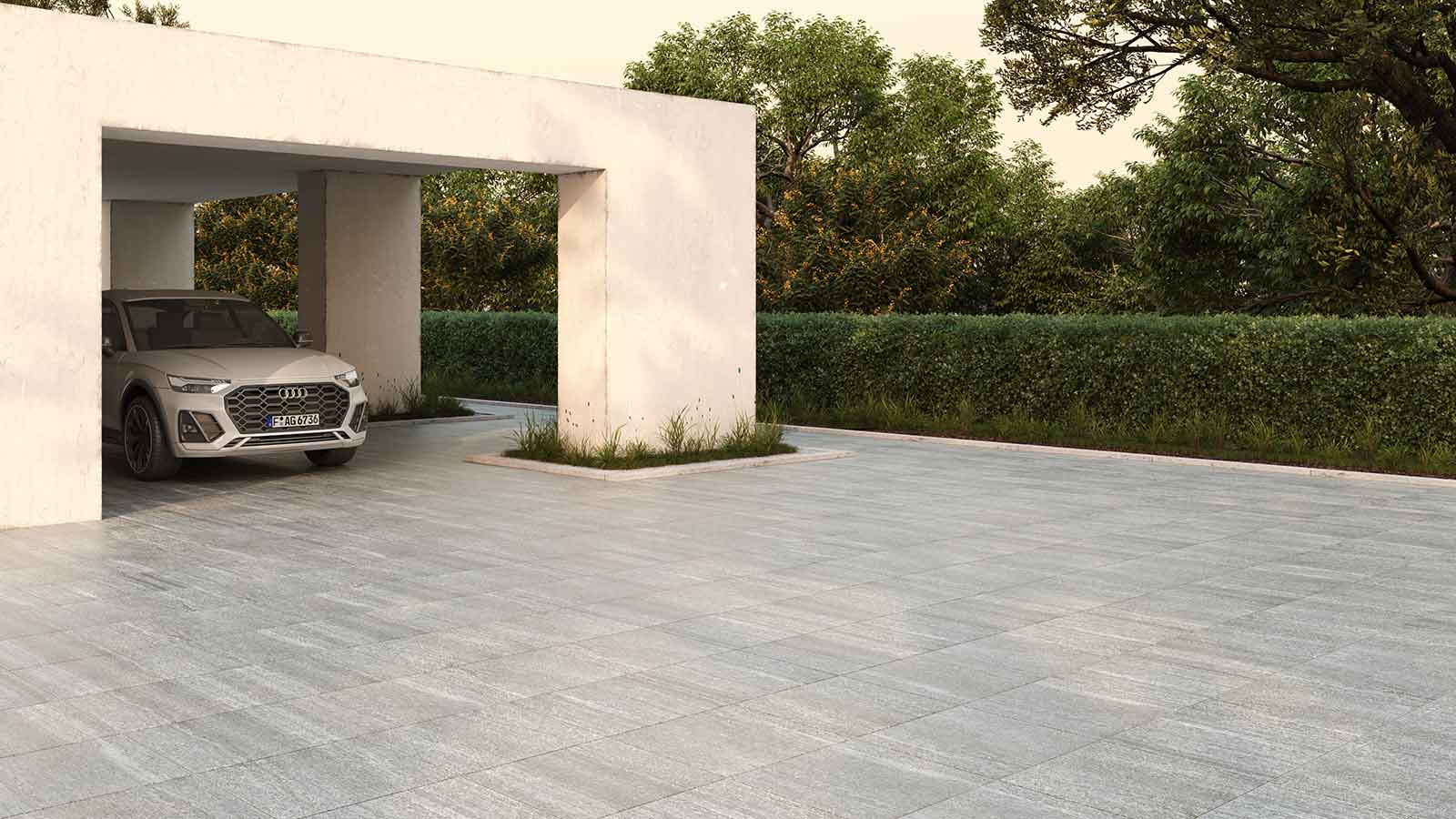
Porcelain Pavers for Driveways
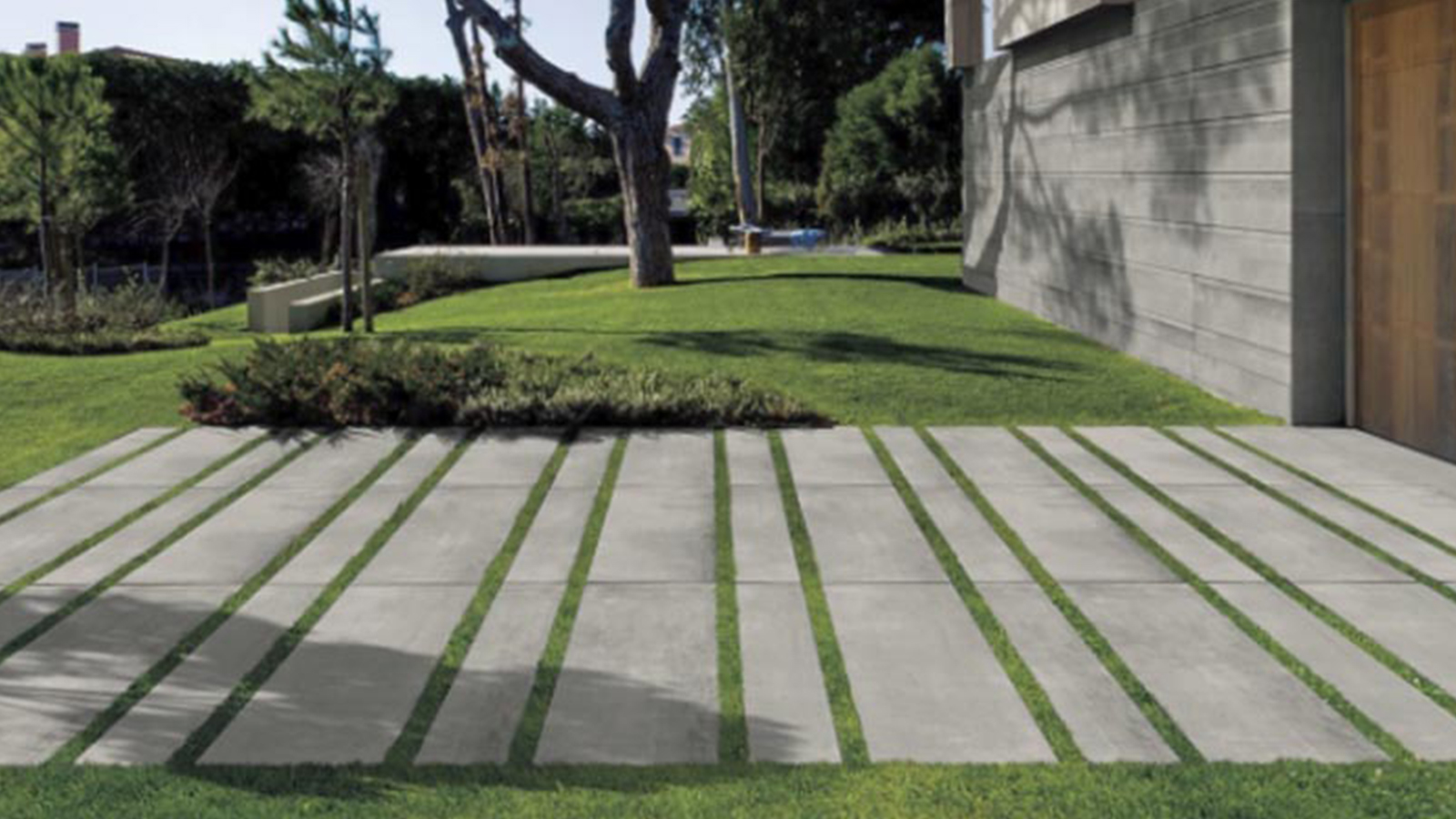
Porcelain pavers for driveways provide a high-performance and significantly more refined alternative to traditional concrete or asphalt surfaces in residential, multifamily, and light commercial applications.
-
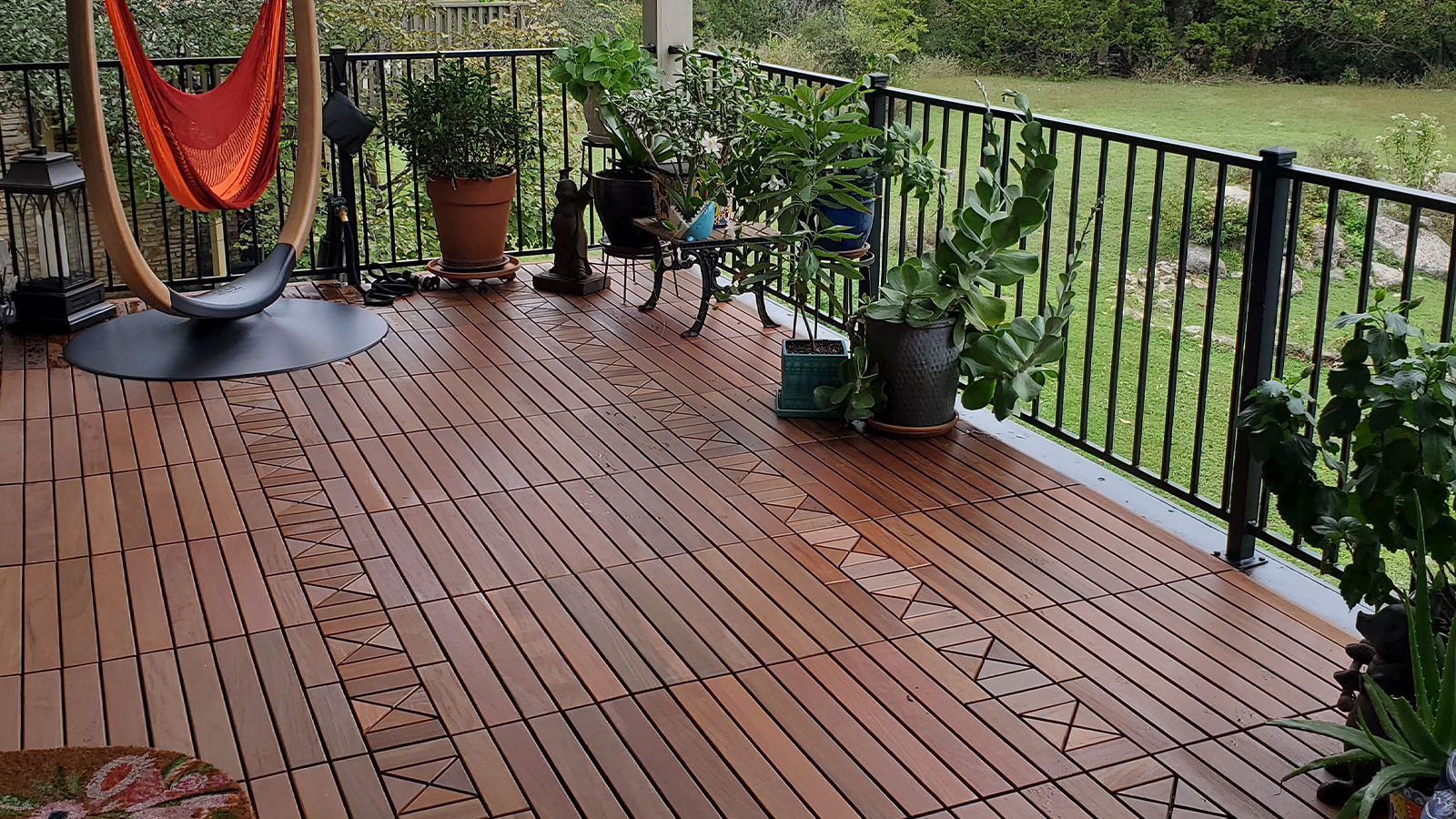
Interlocking Ipe Deck Tiles
Interlocking wood deck tiles are modular tiles made from durable wood species with a plastic grid base.
-
Landscape Paving
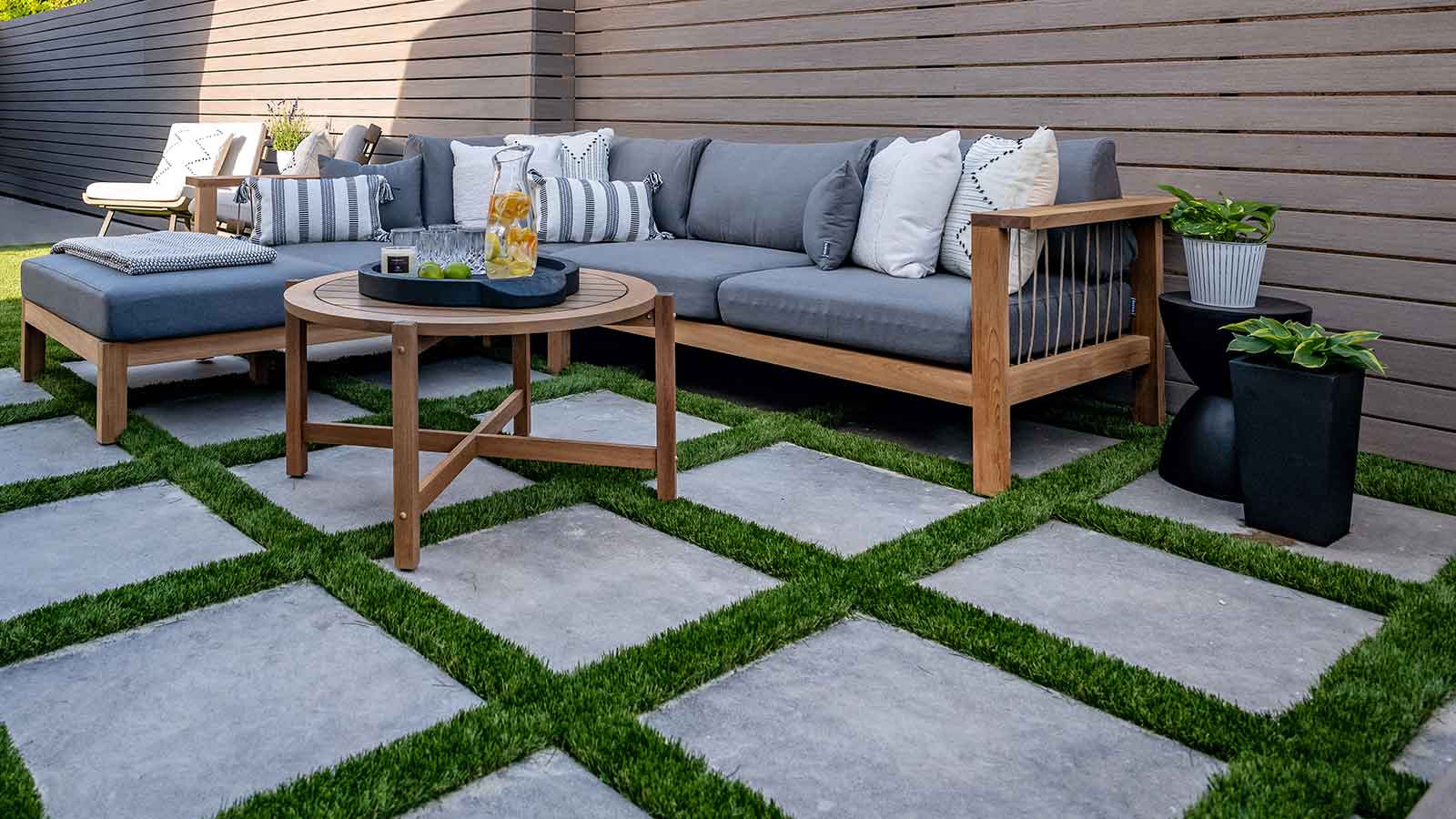
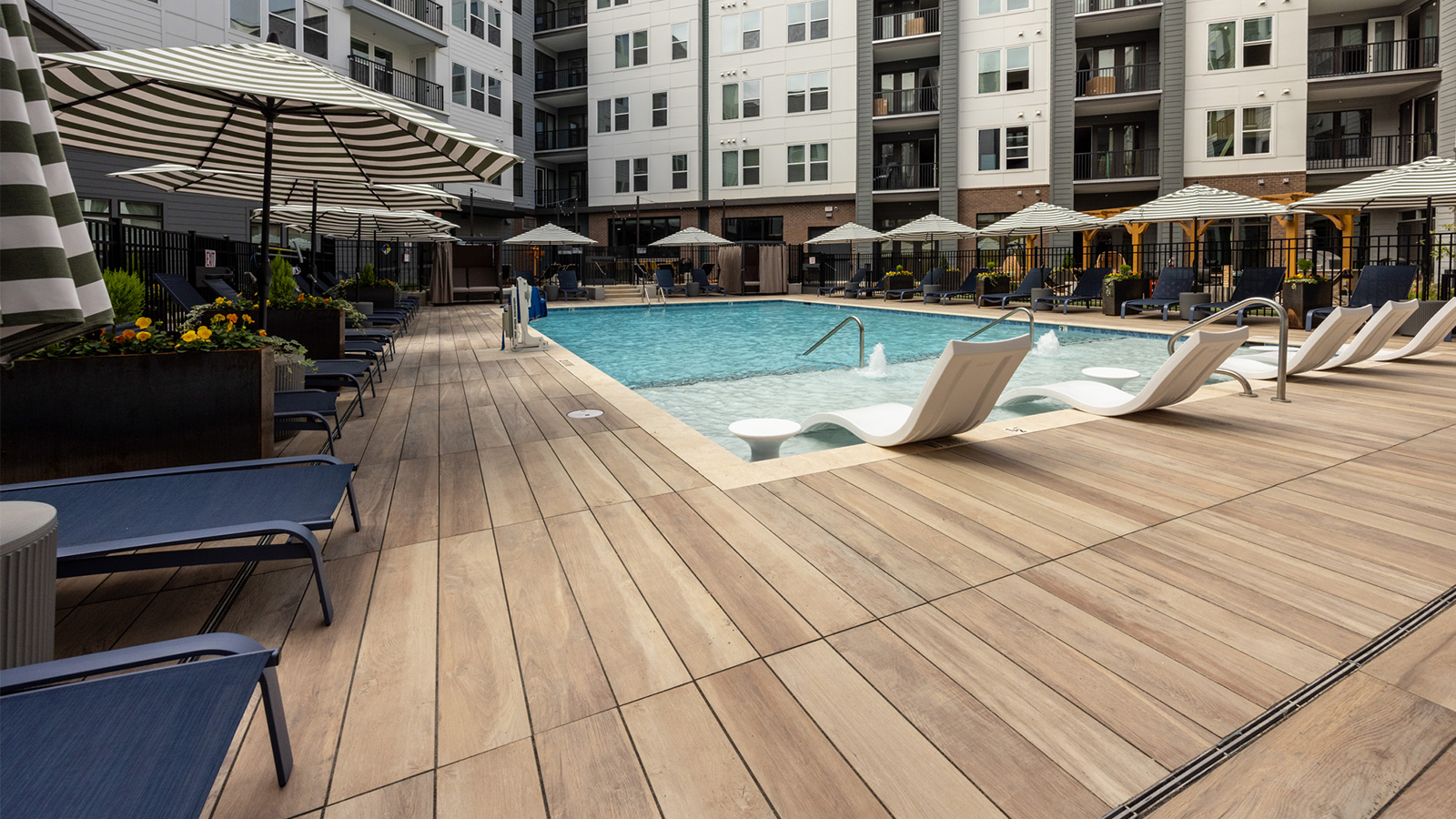
From stone and wood looks to cement-inspired finishes and rustic cobblestone styles, porcelain pavers enhance outdoor living spaces with refined surface consistency, long-term durability, and low-maintenance performance. From small 4″ x 4″ cobblestone blocks and modular pavers to wood-look planks up to 72″ long and hexagonal specialty shapes, porcelain pavers offer exceptional format versatility across…
-
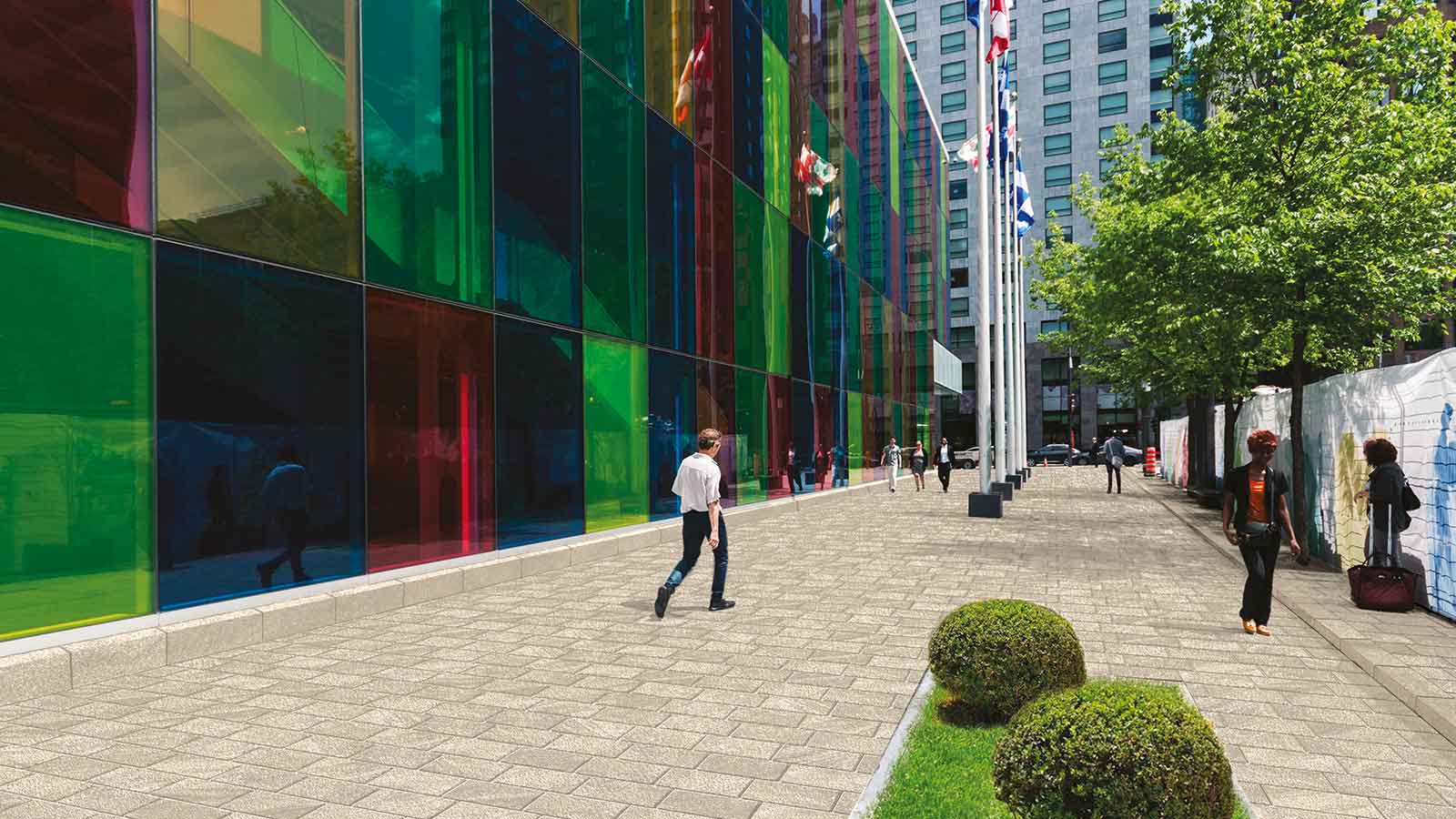
Permeable Paving
Porcelain pavers with integrated spacer nibs on all four sides provide a precise and efficient solution for permeable driveway and parking applications

On-Grade Projects

Design and Technical Resources
Technical documents and digital tools supporting deck and paver system selection, specification, and installation for commercial and residential applications.

For Contractors
Fast quotes, proven systems, and high-quality products.

For Architects
Learn why architects spec our products and trust our team.


Feature Resources

Blog
Articles and trends

Pedestal & Paver Estimator
Precise layout and estimation

3D Visualizer
Visualize layouts and finishes

Downloads & CAD Files
Details, specs, brochures, and data
FAQs
Frequently asked questions about On-Grade paving with Porcelain Pavers.
On-grade is one of the most popular applications for porcelain pavers. Here are the questions we hear most frequently from our customers.
On-grade paving refers to exterior paving installations where pavers are installed directly over a prepared base at ground level rather than elevated on pedestals. Common base conditions include compacted aggregate, sand-set assemblies, mortar-set installations, and permeable paving systems. On-grade paving is widely used for patios, walkways, plazas, and landscape applications.
Porcelain paver thickness depends on the intended use and installation method. 2 cm porcelain pavers are commonly used for pedestrian applications such as patios, walkways, and plazas when installed over a properly prepared base. 3 cm porcelain pavers are typically selected for applications requiring higher load capacity, such as driveways or areas with service vehicle access. 5 cm porcelain porcelain blocks are also an option. The correct thickness should be determined based on expected loads, base construction, manufacturer recommendations, and desired aesthetic.
On-grade paving can be constructed using a range of materials, with selection typically based on use, load requirements, maintenance expectations, and aesthetic goals. Common on-grade paving materials include concrete pavers, natural stone, brick, porcelain pavers, and modular wood or composite tiles used in select applications.
Concrete pavers and natural stone are widely used for their familiarity and availability, though they can vary in consistency and maintenance needs. Porcelain pavers are increasingly used for on-grade applications due to their stunning aesthetic, dimensional consistency, low water absorption, resistance to staining and fading, and suitability for both pedestrian and light vehicular environments when properly specified. Modular wood or composite products may be used in landscape settings where a different aesthetic or surface feel is desired.
Yes, porcelain pavers are a good choice for on-grade paving because they offer consistent performance in outdoor environments with relatively low maintenance requirements. Unlike concrete pavers, their dense composition and low water absorption help resist staining, fading, and freeze-thaw damage, which are common concerns in ground-level installations.
Porcelain pavers are manufactured with consistent dimensions and thickness, supporting clean layouts and predictable installation results. When properly specified and installed, they can be used in pedestrian areas as well as light vehicular applications, depending on paver thickness and base construction. These characteristics make porcelain pavers a practical option for patios, walkways, plazas, and other on-grade applications where durability, appearance, and long-term performance are important.
Archatrak provides a range of technical resources to support on-grade paving installations, including product data sheets and installation guidelines. These resources are intended to help design and construction teams understand material requirements, recommended base preparation, and appropriate installation approaches for pedestrian and light vehicular applications.
In addition to documentation, Archatrak’s technical team is available to assist with material selection and system considerations based on site conditions and project requirements. While installation methods may vary by application, proper base preparation and adherence to manufacturer recommendations are key to long-term performance.


Your Partner from Design Through Installation

Request a Quote
Fast quotes and estimates

Order Samples
Compare colors and styles

Contact Us
Contact one of our paver system experts