



Boardwalks, marina decking, pedestrian bridges, and walkway systems require durable, slip-resistant surfaces capable of withstanding constant exposure to moisture, heavy foot traffic, and demanding environmental conditions.
Archatrak SpanTrak fiberglass (FRP) grating panels provide a strong, stable, and corrosion-resistant solution for boardwalks, marina decking, pedestrian bridges, and other pedestrian-focused applications where long-term performance, safety, and minimal maintenance are essential.
With a superior strength-to-weight ratio, inherent corrosion resistance, and long service life, SpanTrak FRP grating panels are well suited for waterfront, coastal, and remote trail applications exposed to moisture, humidity, and heavy foot traffic.
Benefits of FRP for Boardwalks and Walkways

Safety through Slip Resistance
Optional gritted surface finishes combined with open-grid panel designs provide consistent traction and drainage in wet, exposed, and high-traffic environments.

High Strength-to-Weight Performance
FRP panels offer a high strength-to-weight ratio, making them easier to handle and install while supporting pedestrian loads without sacrificing structural performance.

Corrosion Resistance
Unlike steel or wood, FRP grating resists corrosion from water, salt, and many chemicals, making it well suited for coastal, waterfront, and industrial environments.
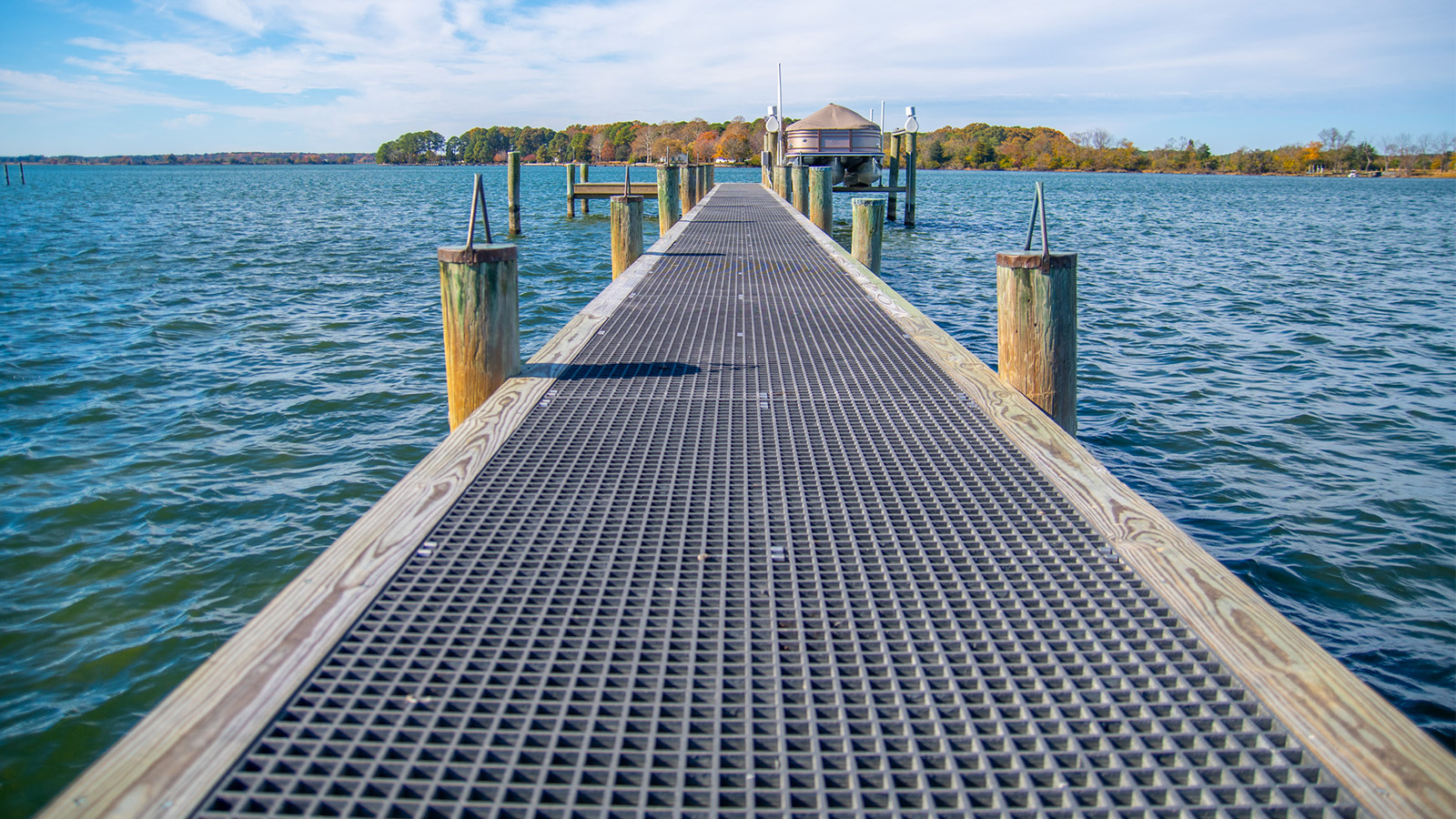
FRP Applications and path solutions
-

FRP for Data Centers and Industrial Applications
Molded FRP grating is an excellent choice for a variety of industrial applications.
-
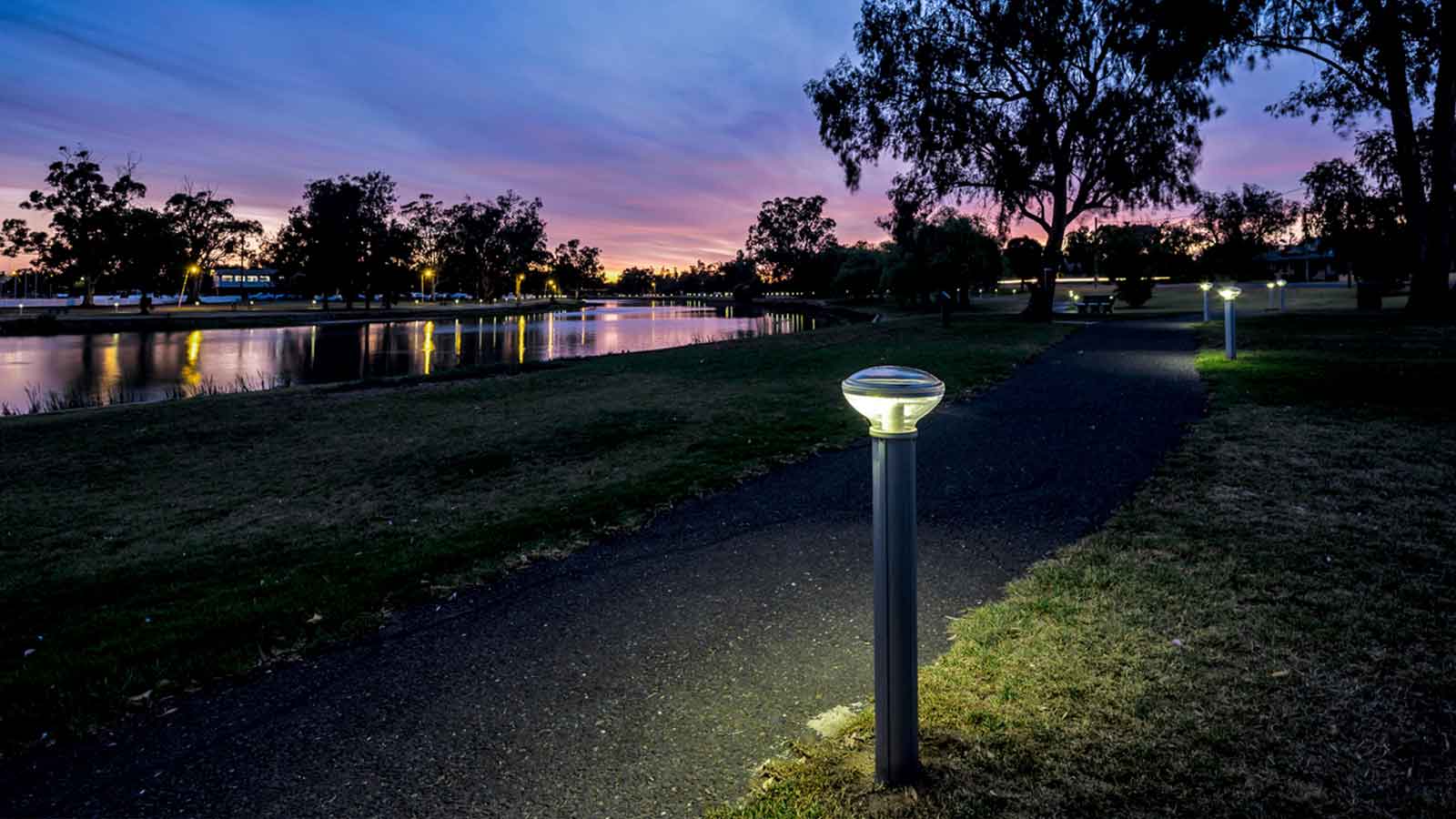
Solar Bollard Lighting
Fully sealed and self-contained, these fixtures provide continuous, full-power lighting from dusk until dawn, 365 days a year, without trenching, conduit, or grid power.
-
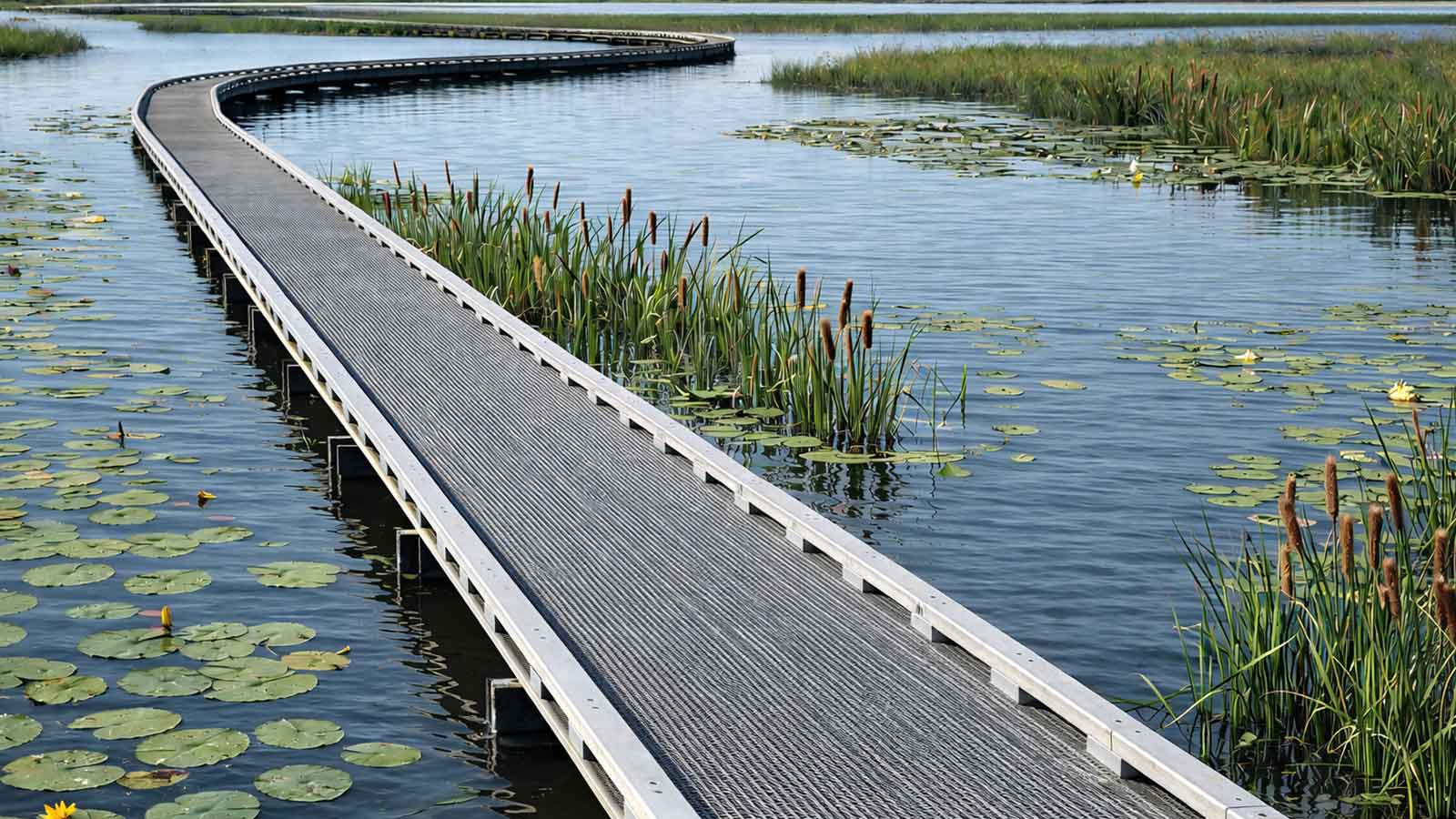
FRP Boardwalk Decking
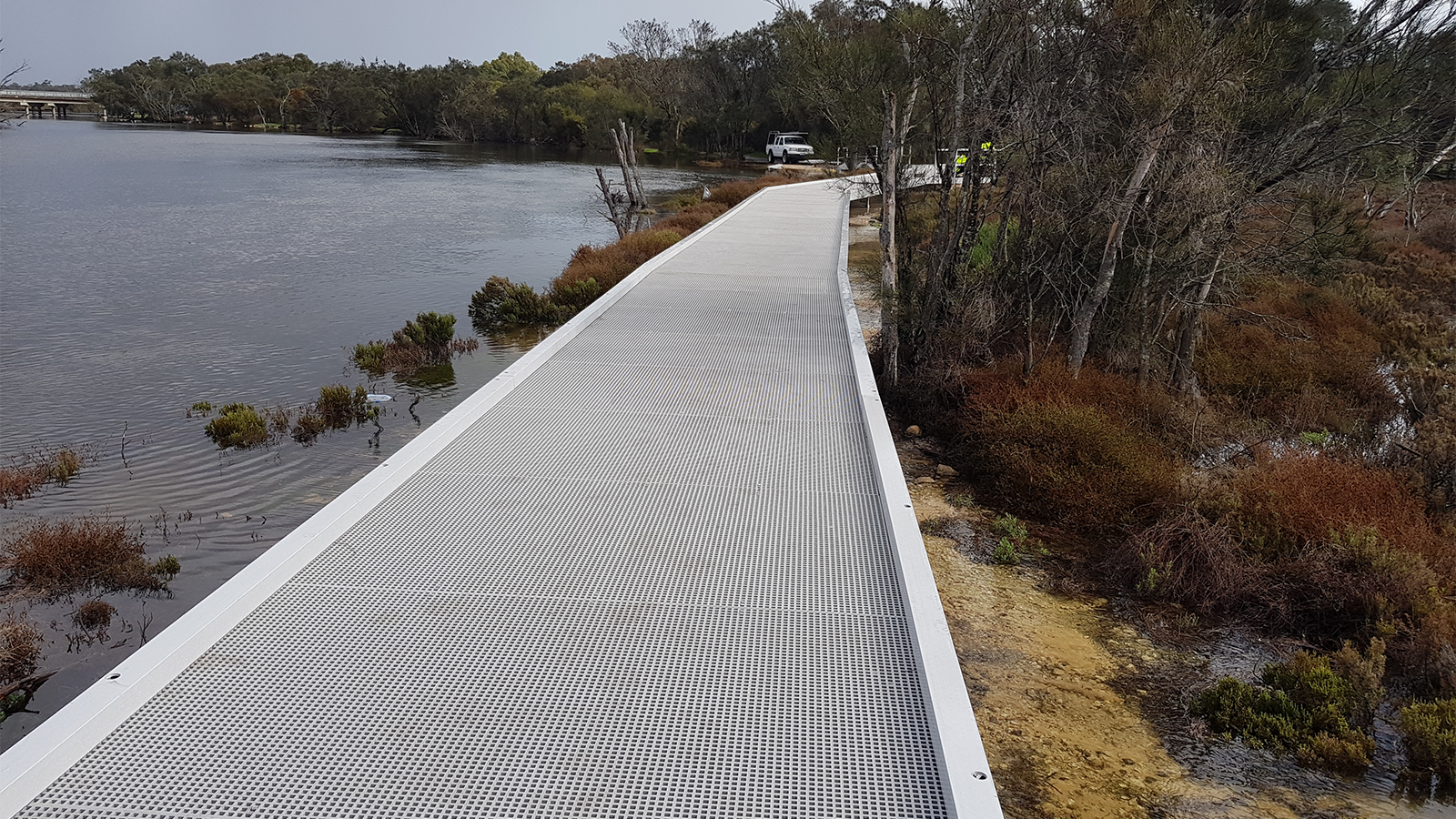
Exceptionally durable, slip resistant, and fire resistant, FRP boardwalk decking outperforms traditional softwood, hardwood, steel, composite wood, and precast concrete across virtually every measure that matters for boardwalk construction.
-
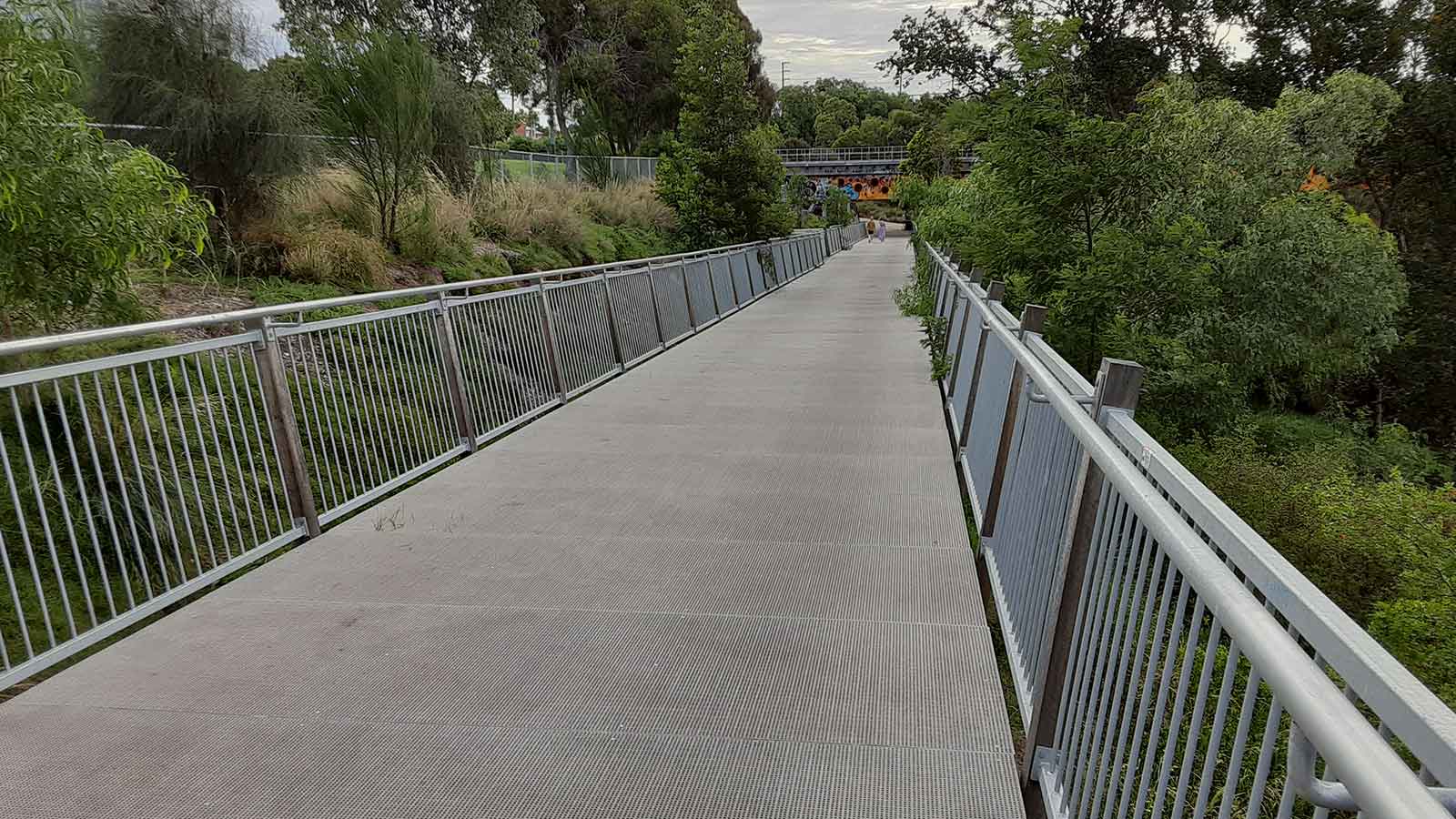
FRP Bridge Decking
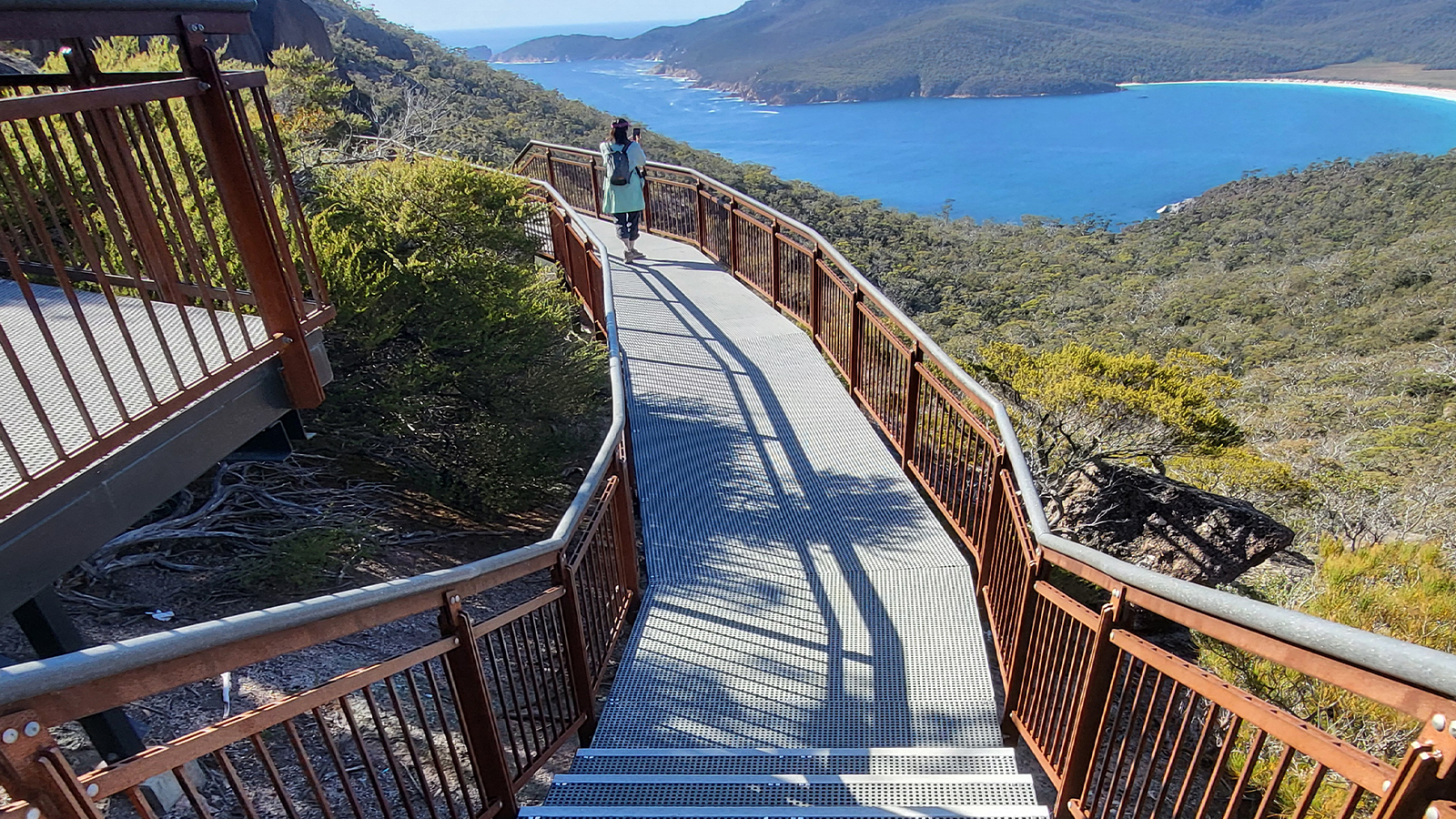
Supplied in 4′ x 8′ panels with a bonded grit surface, Archatrak SpanTrak FRP grating provides a stable, slip resistant deck surface capable of supporting heavy foot and bicycle traffic in all weather conditions. The large-format panels help eliminate warped or decayed boards that create trip hazards, while the molded grit surface resists moss and…
-
FRP Marina & Dock Decking
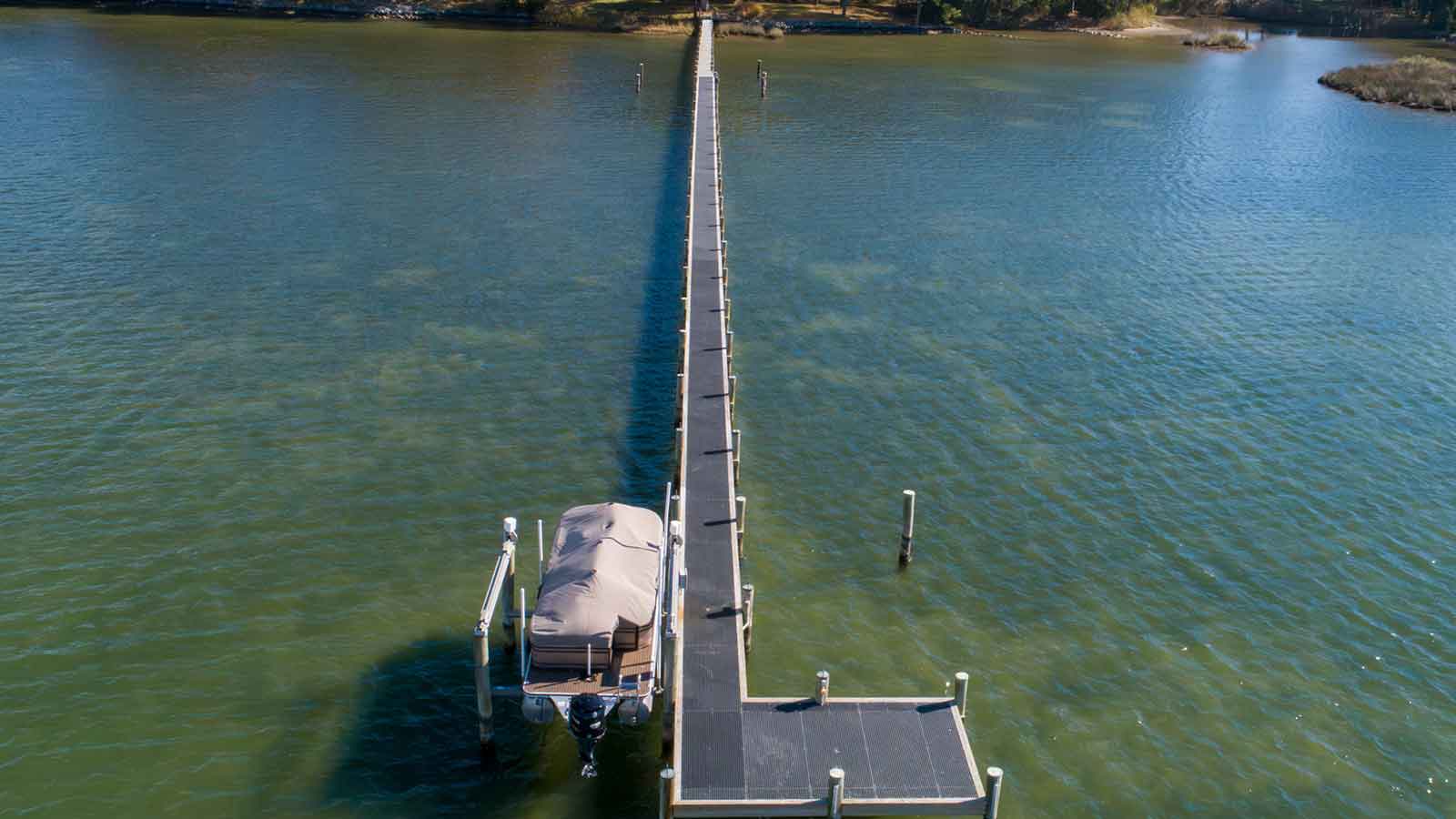
Archatrak SpanTrak FRP grating has earned an enviable reputation in marina and dock construction for its strength-to-weight ratio, long-term durability, and exceptional slip resistance. Unlike steel, FRP will not corrode. Unlike wood, it will not decay, crack, warp, or splinter in wet environments.
SpanTrak FRP Grating
Wood Decking
Steel Grating
Aluminum
Durability & Structural Performance
Strength-to-Weight Ratio
Excellent
Moderate
High but heavy
Good
Impact Resistance
High
Moderate
High
Moderate
Surface Longevity
Long service life with minimal degradation
Susceptible to rot and splitting
Long but can corrode over time
Can dent and deform
Weather & Environmental Resistance
UV Resistance
Excellent
Moderate, can fade
Moderate
Good
Freeze-Thaw Performance
Excellent
Poor
Good
Good
Corrosion Resistance
Excellent
Poor
Moderate with coating
Good
Moisture Resistance
Unaffected by water exposure
Susceptible to rot and swelling
Can rust
Good
Safety & Accessibility
UV Resistance
Excellent in wet or icy conditions
Moderate and can become slippery when wet
Moderate
Moderate
ADA Accessibility
Excellent with proper mesh sizing
Good
Good
Good
Electrical Conductivity
Non-conductive
Non-conductive (when dry)
Conductive
Conductive
Fire Resistance
Class-A options available
Combustible
Non-Combustible
Non-Combustible
Installation & Maintenance
Weight for Remote Installs
Lightweight and easy to transport
Moderate
Heavy
Lightweight
Ease of Install
Fast
Moderate
Labor intensive
Moderate
Maintenance Requirements
Low
High
Moderate to high
Moderate
Lifecycle Cost
Low
High
Moderate
Moderate
FRP Application Gallery
Design and Technical Resources
Technical documents and digital tools supporting deck and paver system selection, specification, and installation for commercial and residential applications.

For Contractors
Fast quotes, proven systems, and high-quality products.

For Architects
Learn why architects spec our products and trust our team.


Feature Resources

Blog
Articles and trends

Pedestal & Paver Estimator
Precise layout and estimation

3D Visualizer
Visualize layouts and finishes

Downloads & CAD Files
Details, specs, brochures, and data
FRP (fiberglass reinforced polymer) grating is a composite material made from fiberglass and resin, designed to provide a strong, corrosion-resistant walking surface in demanding environments. It is commonly used for boardwalks and walkways because it does not rot, rust, or corrode and performs well in wet, coastal, industrial, and high-exposure settings where traditional materials may deteriorate over time.
Yes. FRP grating is engineered to support pedestrian loads when properly specified and installed. Its high strength-to-weight ratio allows panels to provide structural performance while remaining relatively lightweight, which can simplify handling and installation in remote or difficult-to-access locations.
FRP boardwalk and walkway systems are commonly used in waterfront and marina settings, wetlands and natural areas, industrial facilities, pedestrian bridges, and access walkways. They are often selected for sites where durability, slip resistance, and resistance to environmental exposure are critical.

Your Partner from Design Through Installation

Request a Quote
Fast quotes and estimates

Order Samples
Compare colors and styles

Contact Us
Contact one of our paver system experts